
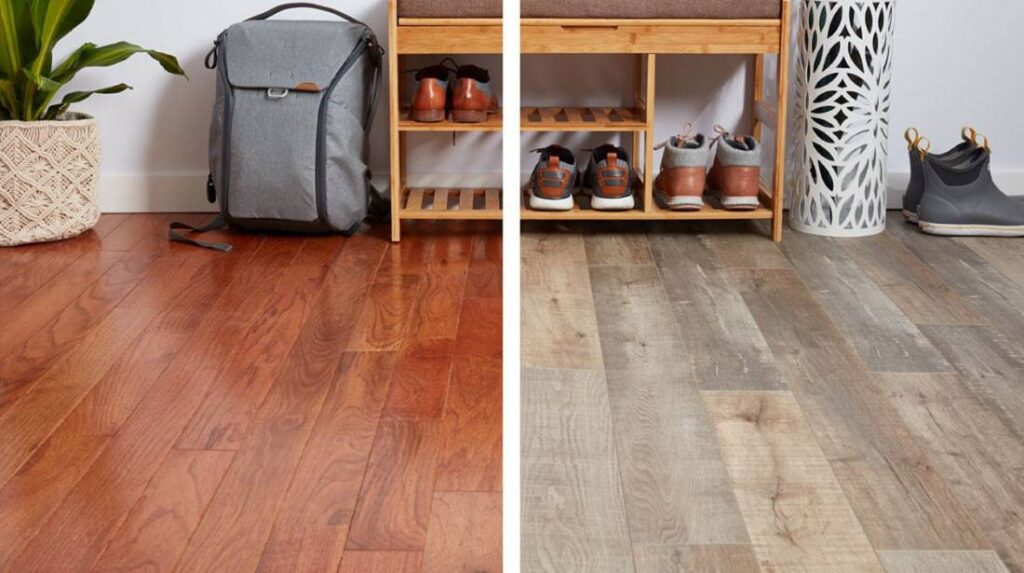
You need to choose between Glue-Down vs. Floating Vinyl before you install your new floor. Today’s vinyl planks look great, last long, and resist water and marks. Moreover, they are simple to fit and offer strong value. When you compare glue-down vinyl plank flooring with floating vinyl plank flooring, you can choose the option that suits your space. If you are new to the format, what vinyl plank flooring is covers the basics first. In addition, Dex Flooring offers a full range of both types in our vinyl flooring range. For this reason, you can call +61 483 224 831 to find the right floor for your home.
Glue-Down vs. Floating Vinyl: Issues to Consider
You should review a few key factors before you choose Glue-Down vs. Floating Vinyl. As a result, you will understand how each system performs in real-life use:
- Floor Size: Floating floors work well in small rooms. However, glue-down vinyl holds better in large, open areas and keeps planks from shifting over time.
- Subfloor Condition: Glue-down vinyl needs a smooth and dry surface. In contrast, floating vinyl handles light bumps and can sit on some old floors.
- Moisture Resistance: Glue-down vinyl reacts to moisture under the floor. Consequently, floating vinyl with a vapor barrier suits damp rooms far better.
- Foot Traffic: Glue-down vinyl stays firm in busy areas like kitchens or halls. Meanwhile, floating floors offer comfort and a clean look for most rooms in the home.
- Mobility: Wheelchairs move better on glue-down vinyl. Conversely, floating floors can shift with wheel action.
Glue-Down vs. Floating Vinyl Plank Under the Hood
It is helpful to review the materials behind glue-down vinyl plank flooring and floating vinyl plank flooring. Therefore, you can compare each system clearly.
Glue-Down Options:
- Self-Stick Planks: They install fast but need a clean and flat base. Additionally, they offer a simple DIY method for small areas.
- Trowel-Applied Adhesive: This method grips well and hides small flaws in the subfloor. However, it reacts to heat and moisture, so care is needed.
Floating Options:
- Installation: Floating planks lock together like laminate. As a result, they fit quickly and require few tools.
- Underlayment: Many planks include a backing layer. Moreover, you can add a vapor barrier for extra protection, which glue-down floors do not allow.
- Thickness & Composition: Floating planks are thicker, often up to 6 mm, and include rigid cores. Therefore, they feel warmer and more stable. Glue-down planks are thinner, around 3 mm, and have no rigid core.

Noise Reduction and Insulation
Noise Reduction: Luxury vinyl planks reduce sound due to their thick cores and backing layers. Therefore, they work well on upper floors. Thermal Insulation: Floating vinyl often provides more warmth, especially when it includes cork or foam. Additionally, you can add underlayment layers for extra comfort. In contrast, glue-down vinyl offers little insulation, so rugs can help warm the room.
Repair and Maintenance
Both floors clean easily with sweeping and mopping. However, repair methods differ:
Glue-Down Vinyl Plank Flooring: You can warm the plank, lift it out, and glue a new one in. Consequently, repairs remain fast and simple.
Floating Vinyl Plank Flooring: You must cut out the damaged plank and fit a new one. For this reason, some people hire a pro, especially for large areas.
Conclusion: Choosing Between Glue-Down vs. Floating Vinyl
Your choice depends on your room and your needs. Glue-down vinyl gives firm and long-lasting support for busy zones and commercial work. Floating vinyl brings warmth, comfort, and a fast install for most homes. Therefore, review your space and daily use to choose the best fit.
Get
Final Thoughts
Selecting between glue-down and floating vinyl flooring depends on your installation needs, moisture conditions, and desired long-term performance. Additionally, modern luxury vinyl products offer enhanced durability, realistic textures, and improved waterproofing, making them a strong choice for both homes and commercial spaces. For projects that require superior subfloor preparation or acoustic performance, exploring professional-grade solutions such as those offered by Acouslime can further improve installation quality and overall results.
planks and full-waterproof options grow in demand every year.