
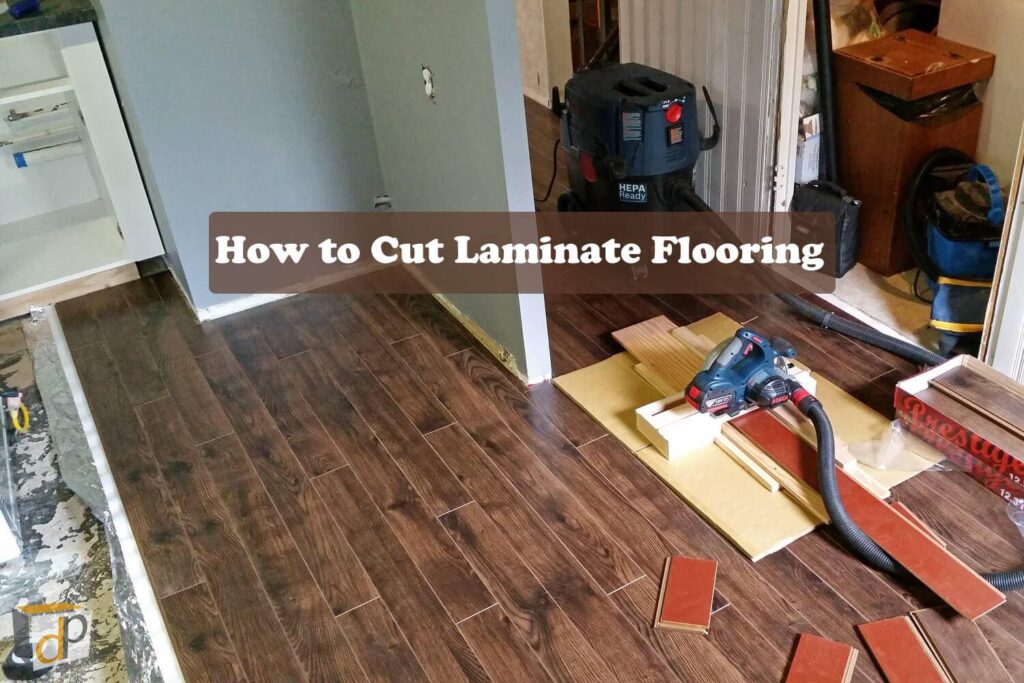
Learning how to cut laminate flooring cleanly is essential for any DIY installation, especially because laminate planks have layered construction that can chip easily — check the board you have chosen from our laminate range before you start. Although many people enjoy the click-and-lock system, achieving smooth results requires proper cutting techniques. Since the top layers are paper and plastic, incorrect cuts may cause visible chipping, particularly on exposed edges. However, with the right methods and the correct tools, you can master how to cut laminate flooring without chipping and complete your project with confidence. For expert advice and premium flooring materials, Dex Flooring offers a wide range of high-quality laminate flooring and professional support online and in-store.
Consider a Laminate Flooring Cutter
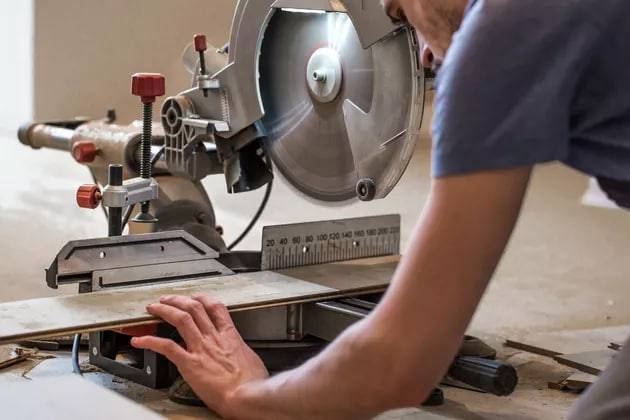 A laminate flooring cutter is one of the most effective tools for those who want to cut laminate flooring with minimal chipping. Additionally, if you prefer power tools, the following options deliver excellent performance and give you more control when learning how to cut laminate flooring without chipping:
- Sliding Miter Saw: Ideal for precise crosscuts, especially on wide planks thanks to its 12-inch cutting capacity.
- Circular Saw: A versatile solution for most installers; compact 3-inch blade tools like the Dremel Saw Max handle tight areas well.
- Table Saw: Perfect for long, straight rip cuts required in first or last rows.
- Jigsaw: While slower for straight cuts, it excels at curves, notches, and intricate shapes.
- Handsaws: Suitable for detailed work when used carefully; coping and pull saws offer additional precision.
Use the Right Blade
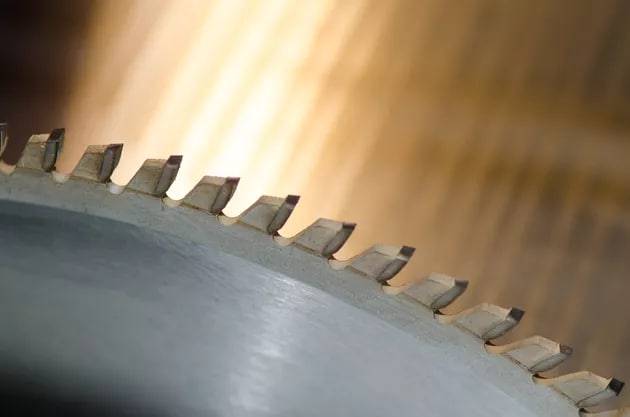 Choosing the correct blade is essential if you want to cut laminate flooring smoothly. According to Swiss Krono, high-tooth-count blades significantly reduce chipping and make it easier to maintain clean edges.
- Circular Saw: Use 60-tooth blades for crisp edges and better control.
- Miter Saw: Select 80–100-tooth blades for fine, accurate cuts.
- Jigsaw: A 14 tpi metal-cutting blade works best; avoid blades above 30 tpi.
How to Cut Laminate Flooring Cleanly?
Several types of cuts—crosscuts, rip cuts, and curved cuts—are required during installation. To ensure consistent results, gather the following tools before you cut laminate flooring or attempt any detailed trimming work:
- Tape Measure: Ensures accurate dimensions.
- Pencil: Helps mark clean, visible cut lines.
- Straightedge: Supports perfect rip cuts and alignments.
- Masking Tape: Prevents scratches and surface damage.
- Utility Knife: Useful for scoring thin material or trimming tongues.
Step-by-Step Cutting Guide
1: Cut From the Back to Reduce Chipping
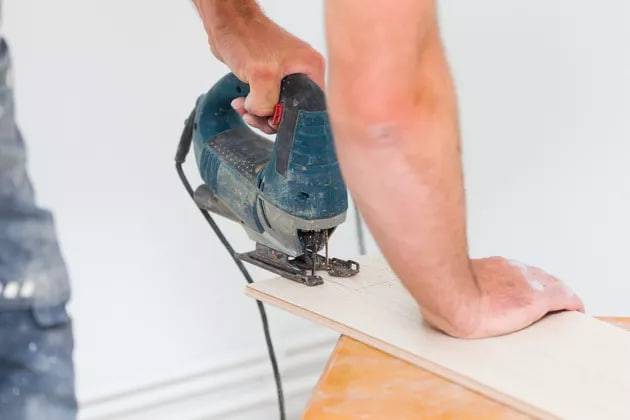
- Mark the Backside: Measure and mark from the back of the plank to protect the finished surface while you cut laminate flooring.
- Cut with a Controlled Motion: Follow the line using a miter saw, circular saw, or jigsaw to minimise chipping.
2: Trim Tongues with a Utility Knife
- First Row Adjustment: Remove the tongue so the plank sits flush with the wall while maintaining the expansion gap.
- Knife Precision: A utility knife makes this step cleaner than using a saw.
3: Rip Angles Using a Circular Saw or Jigsaw
- Mark the Angle: Trace the cutline accurately on the backside.
- Clamp the Plank: Secure the board firmly to keep it stable during the cut.
- Guide the Saw: Use a straightedge guide to achieve a perfectly aligned angled cut.
Cutting Laminate Boards in Place
When a plank becomes damaged, you may need to remove it without lifting nearby boards. To avoid further damage, use a controlled cutting approach. This method helps you cut laminate flooring safely even when it remains installed.
- Circular Saw: Either a full-size saw or a compact 3-inch version offers effective manoeuvrability.
How to Remove a Plank in Place
- Set Exact Blade Depth: Adjust the saw to match the plank thickness to protect the underlayment.
- Create Two Parallel Cuts: Leave a 2-inch centre strip, stopping short of the edges.
- Finish with a Chisel: Use a chisel to complete the ends of the cuts.
- Add Diagonal Cuts: Make diagonal cuts leading to each corner for easier removal.
- Remove the Sections: Lift out the smaller triangles first, then remove the larger pieces.
Final Words
Using the right tools makes learning how to cut laminate flooring without chipping much easier. Combining back-side cuts, high-tooth blades, and steady technique allows you to complete the job with professional-quality results. When you apply these steps consistently, installing a flawless laminate floor becomes achievable for every DIY user.
Laminate Flooring Cut FAQs
Q: Can I score laminate before cutting? A: Yes. Scoring reduces splintering during long cuts.
Q: Are specialised blades available? A: Blades with 60–100 tpi are ideal for laminate.
Q: How do I avoid damaging the subfloor? A: Match your saw depth precisely to plank thickness.
Q: Is a laminate flooring cutter worth it? A: For large projects, a cutter ensures clean, chip-free results.