
COMMERCIAL CARPET TILES · MELBOURNE
Commercial Carpet Tiles Melbourne
Explore commercial carpet tiles in Melbourne at Dex Flooring.
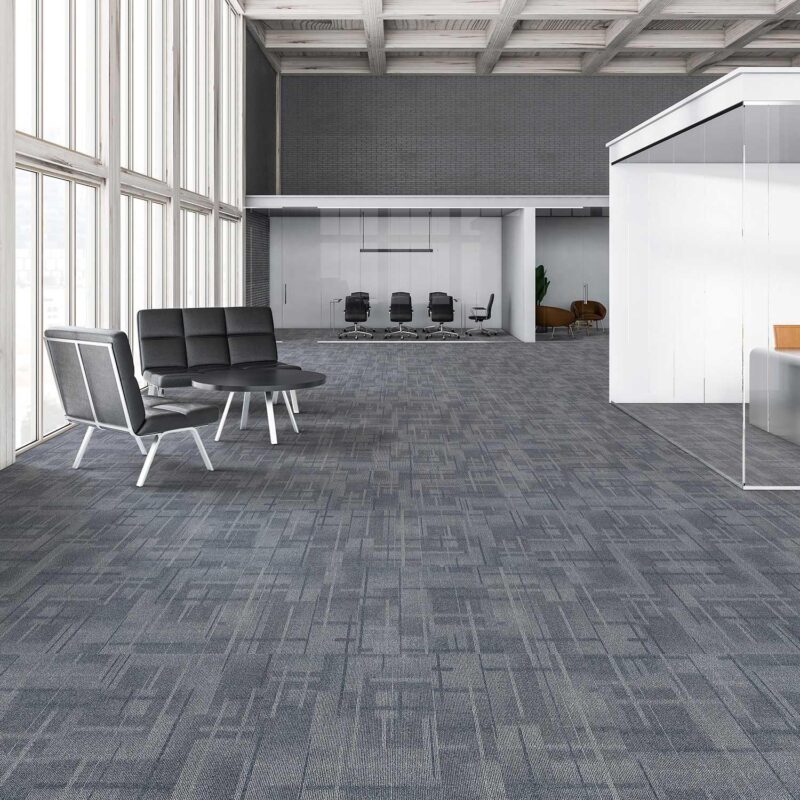
Carpet tiles offer a practical modular flooring solution for offices,
workspaces, education facilities and other commercial interiors.
Compared with traditional broadloom carpet, carpet tiles provide greater
flexibility for layout, maintenance and future replacement. In addition,
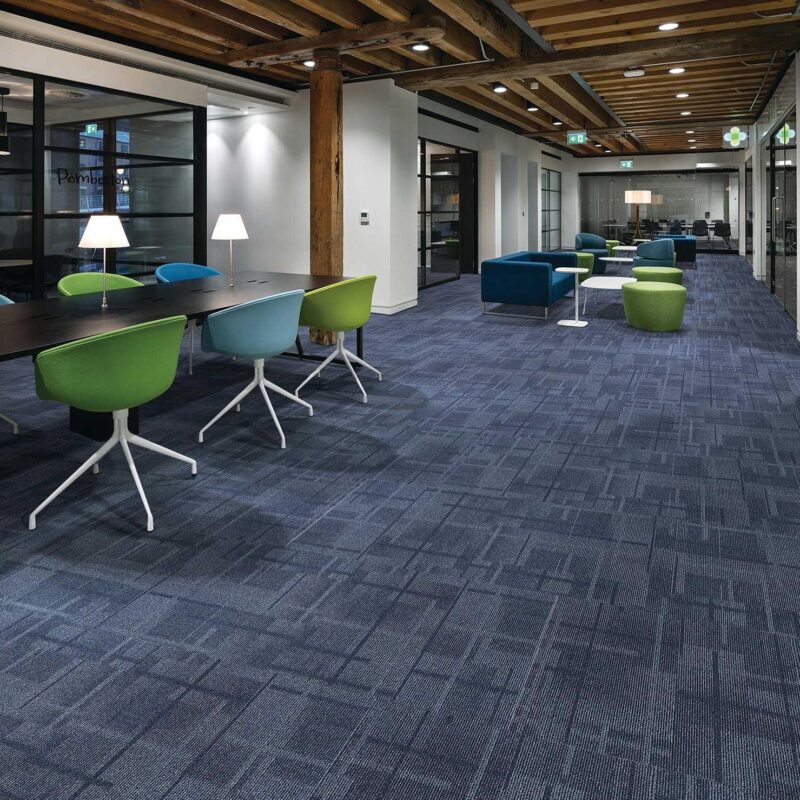
different colours, patterns and laying directions can be combined to create
feature areas, pathways and workplace zones.
COMMERCIAL APPLICATIONS
REPLACEABLE TILES
FLEXIBLE DESIGN
Browse our commercial carpet tile collection below. Alternatively, visit
our Nunawading showroom to compare colours, textures,
backing systems and commercial carpet samples in person.
Commercial Carpet Tile Buying Guide
+
What Are Commercial Carpet Tiles?
Commercial carpet tiles are individual modular carpet sections,
commonly supplied in square formats. Instead of installing one large
continuous roll of carpet, the finished floor is created from
individual tiles.
As a result, carpet tiles provide greater flexibility for layout,
replacement and design across many commercial interiors.
Where Are Carpet Tiles Used?
Suitable commercial carpet tiles can be used across a wide range of
spaces.
- Offices and open-plan workspaces
- Meeting and conference rooms
- Reception areas
- Education facilities
- Commercial corridors
- Retail environments
- Selected hospitality interiors
However, traffic levels and performance requirements vary between
projects. Therefore, the exact carpet tile range should be selected
according to its commercial specification and intended use.
Why Choose Carpet Tiles?
One of the biggest advantages of carpet tiles is their modular format.
Individual sections can often be replaced if they become damaged or
heavily worn.
In addition, tiles can be installed in different directions or combined
with contrasting colours to create custom floor layouts.
- Modular format
- Individual tiles can be replaced where required
- Different laying directions are possible
- Multiple colours can be combined
- Suitable for many commercial environments
- Practical for future maintenance
Carpet Tiles vs Carpet Planks
Carpet tiles and carpet planks are both modular commercial flooring
systems. The main difference is their shape and the visual effect they
create.
Carpet tiles commonly use a square format, while carpet planks use a
longer rectangular shape. As a result, planks can create a more
directional look, whereas tiles often provide greater flexibility for
grid, quarter-turn and patterned layouts.
EXPLORE COMMERCIAL CARPET PLANKS →
Carpet Tiles vs Broadloom Carpet
Broadloom carpet is installed from large rolls and creates a more
continuous carpet surface. Carpet tiles, by contrast, use individual
modular sections.
Therefore, broadloom may suit projects where a softer residential-style
finish is preferred, while carpet tiles can offer more flexibility for
commercial maintenance and replacement.
Carpet Tile Layout Options
Carpet tiles can be installed in several different directions,
depending on the selected collection and design intent.
For example, some products can be laid in a monolithic direction,
quarter-turn layout or other approved patterns. In addition, combining
colours can help define pathways, meeting areas and workplace zones.
Carpet Tiles for Offices
Carpet tiles are a popular commercial flooring option for offices
because they combine a softer surface with modular practicality.
Furthermore, different colours and patterns can help separate work
zones, collaboration areas and circulation spaces without changing the
flooring system.
Acoustic Comfort
Carpet generally creates a softer acoustic environment than many
hard-floor surfaces. Therefore, carpet tiles can be useful in offices
and commercial spaces where footfall and general room noise are
important considerations.
However, acoustic performance varies between products and backing
systems. Consequently, the technical data of the exact range should be
checked where acoustic performance is part of the project specification.
Commercial Traffic & Durability
Carpet tile ranges are available in different constructions, fibre
types and commercial classifications.
A tile suitable for a private office may have different requirements
from one used in a busy corridor or public workspace. Therefore, the
expected traffic level should be considered before selecting a range.
Subfloor Preparation Matters
Carpet tiles still require a suitable substrate. The floor should be
clean, sound and prepared according to the installation requirements
of the selected product.
Depending on the existing floor, preparation may include removal of old
adhesive, patching, grinding or levelling. As a result, the subfloor
should be assessed before installation begins.
Can Carpet Tiles Be Installed Over Concrete?
Yes. Suitable commercial carpet tiles can be installed over a properly
prepared concrete substrate.
However, the concrete should first be checked for surface condition,
flatness and any product-specific installation requirements.
How Are Commercial Carpet Tiles Installed?
Installation depends on the specific carpet tile range and manufacturer
system. Modular carpet is generally installed over a prepared substrate
using the approved adhesive or installation method for the product.
Therefore, the correct adhesive system, layout direction and installation
requirements should be confirmed before work begins.
Can Individual Carpet Tiles Be Replaced?
Yes. One of the main advantages of modular carpet is that individual
tiles can often be replaced if they become damaged or heavily worn.
For that reason, keeping spare tiles from the original installation can
be useful for future repairs. Nevertheless, slight colour differences
can occur between production batches.
Carpet Tiles vs Commercial Vinyl
Carpet tiles create a softer modular surface and can support acoustic
comfort in commercial interiors. Commercial vinyl, meanwhile, provides
a resilient hard-floor surface with different maintenance and cleaning
characteristics.
Therefore, the right flooring depends on the use of the space,
expected traffic, design requirements and maintenance plan.
EXPLORE COMMERCIAL VINYL PLANK →
Choosing Carpet Tile Colours
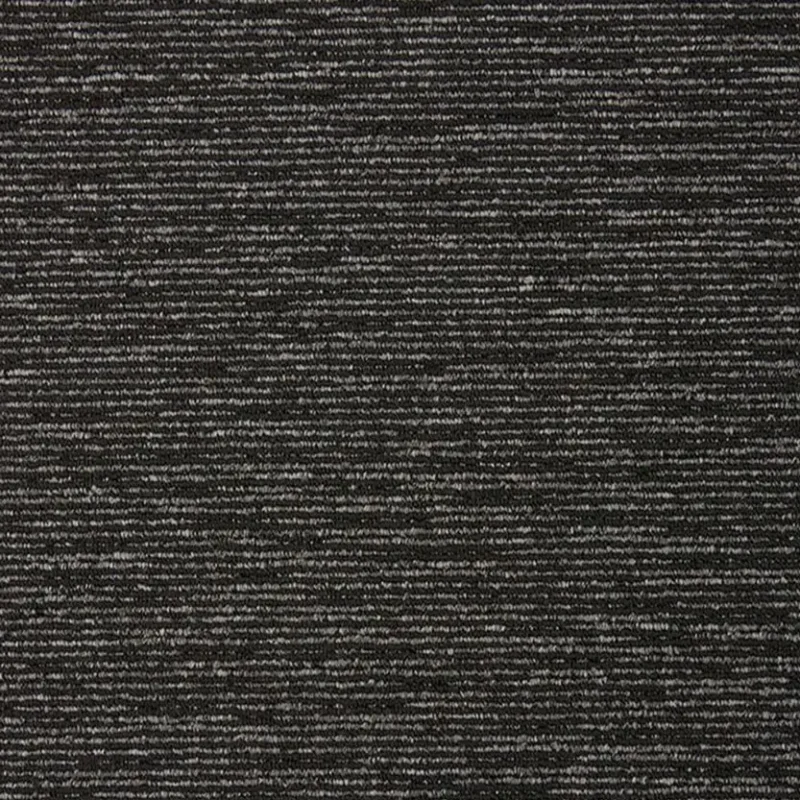
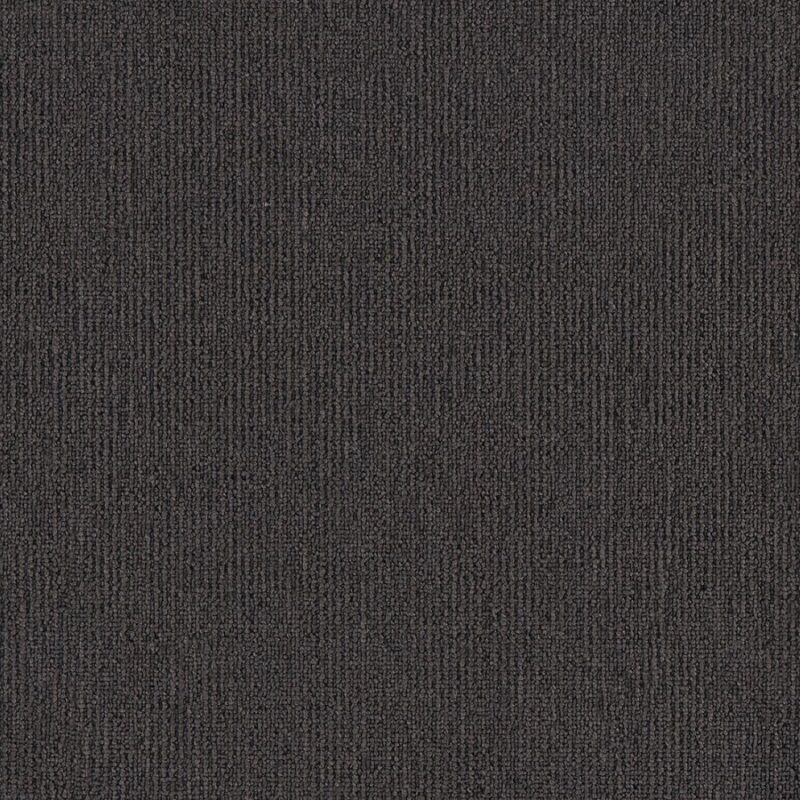
Neutral greys, charcoals and natural tones are common choices for
commercial interiors because they coordinate easily with furniture
and workplace finishes.
However, modular carpet also allows stronger colours to be introduced
selectively. For example, contrasting tiles can create pathways,
feature zones and breakout areas.
Cleaning & Maintenance
Regular maintenance helps reduce the build-up of dirt and grit.
In addition, prompt attention to spills can help maintain the appearance
of the carpet.
- Vacuum regularly using suitable commercial equipment.
- Clean spills promptly.
- Use entrance matting in high-traffic entry areas.
- Follow the manufacturer’s cleaning recommendations.
- Replace damaged tiles where practical.
- Arrange periodic commercial cleaning when required.
Explore Other Commercial Flooring
Carpet tiles may suit one part of a commercial project while another
area requires carpet planks, vinyl plank, vinyl sheet or safety flooring.
Therefore, comparing the complete commercial range can help create a
more suitable flooring solution across different areas of the project.
Compare carpet tile colours, layouts, specifications and
installation requirements for your project.
Read more about carpet tiles: the advantages and disadvantages of carpet tiles, how to install carpet tiles, and how to clean carpet tiles.
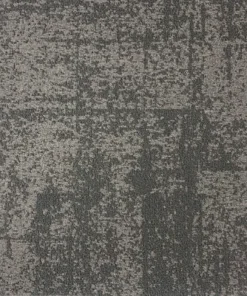
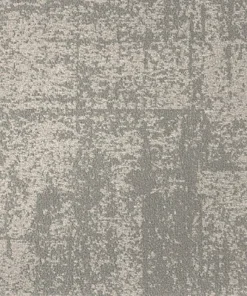
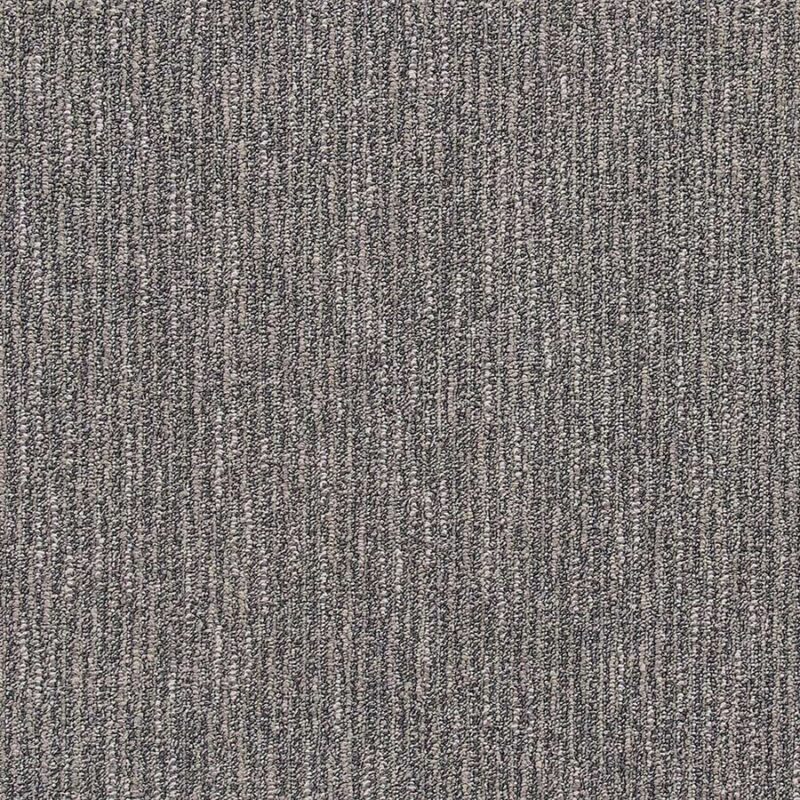
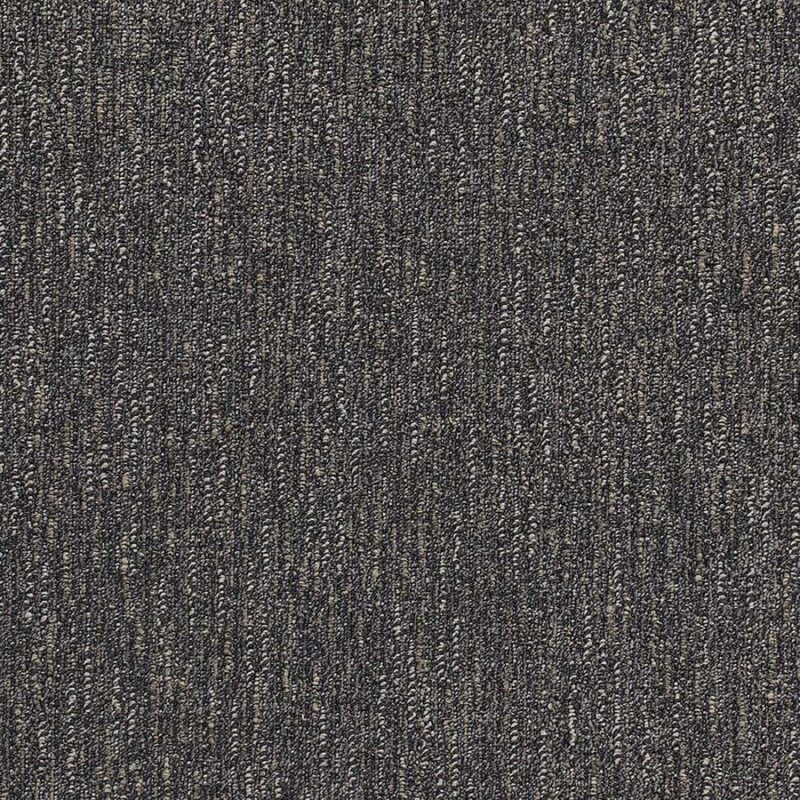
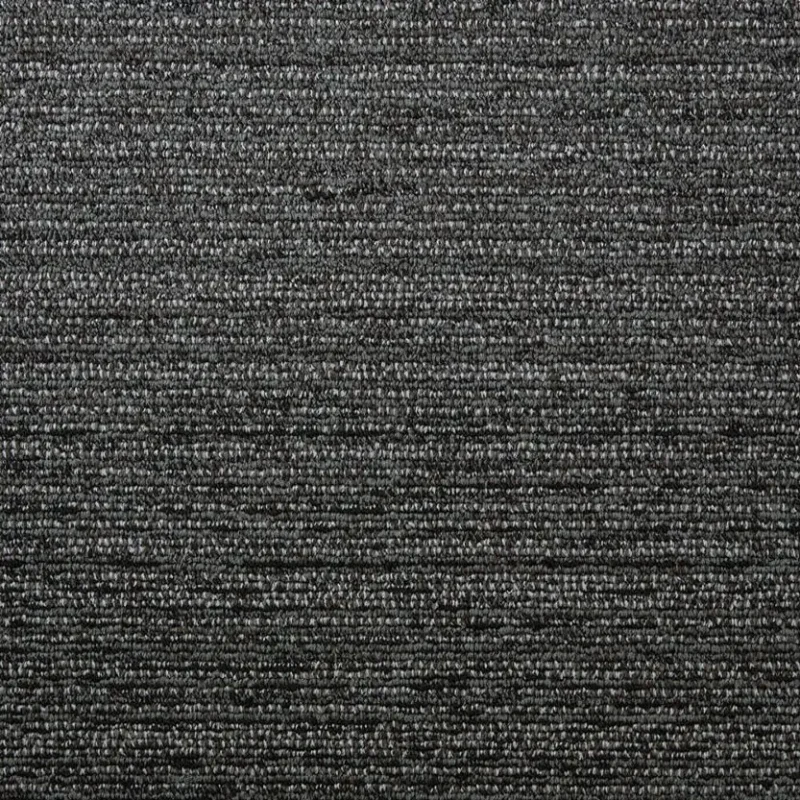
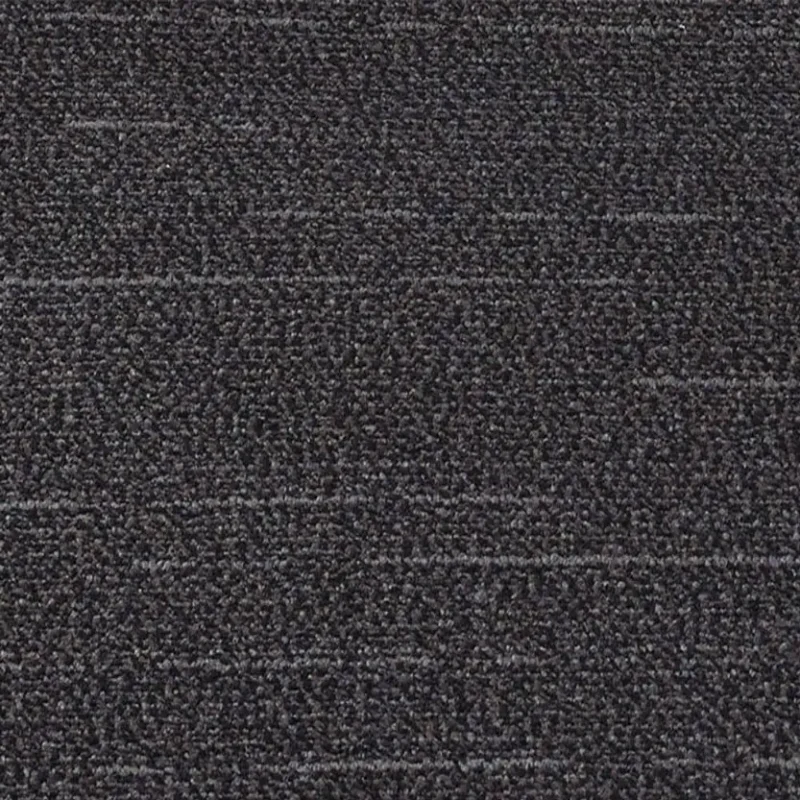
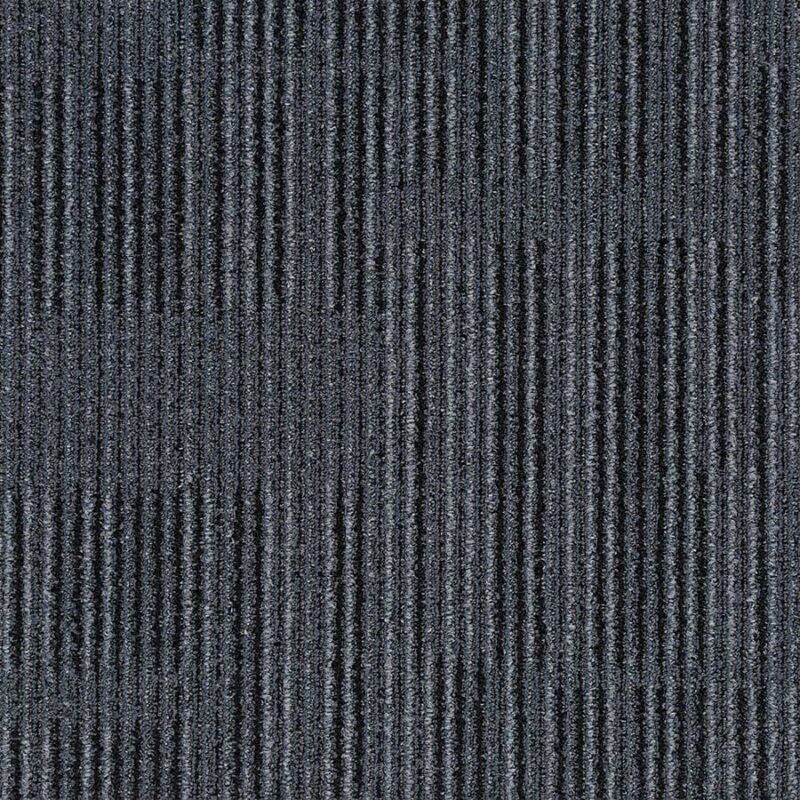
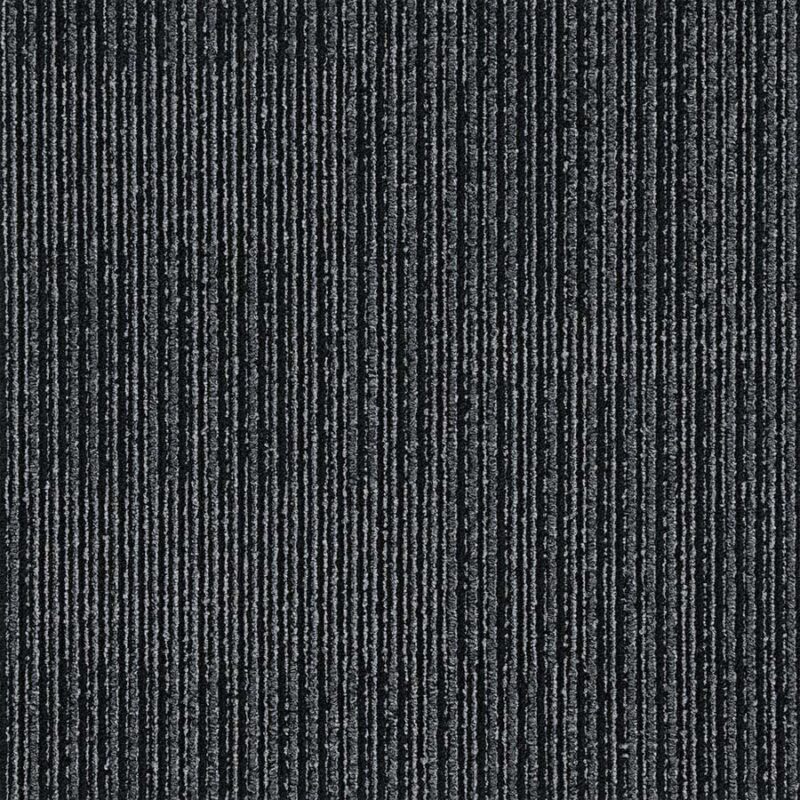
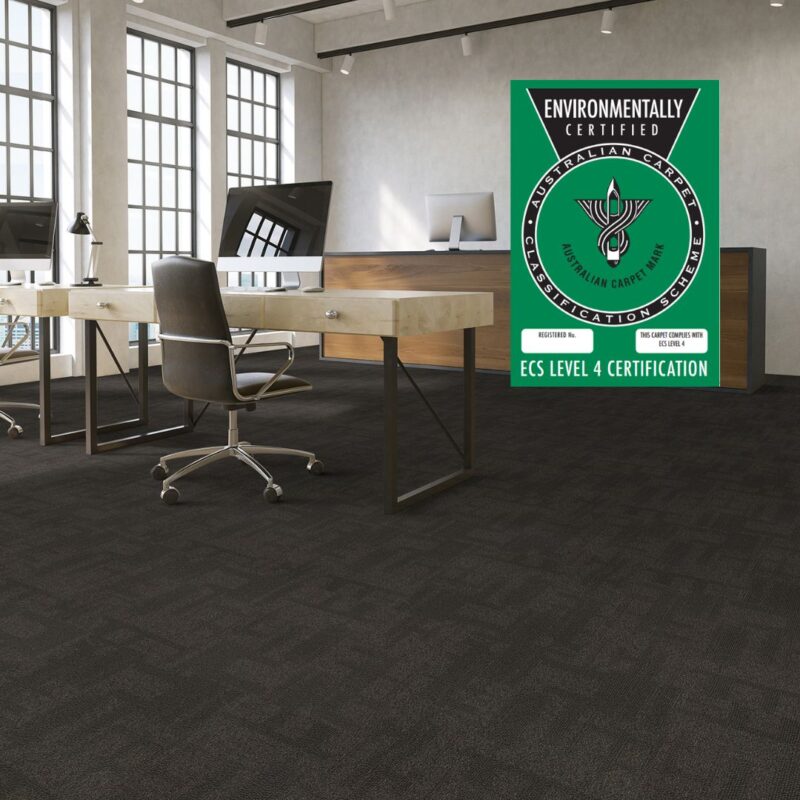
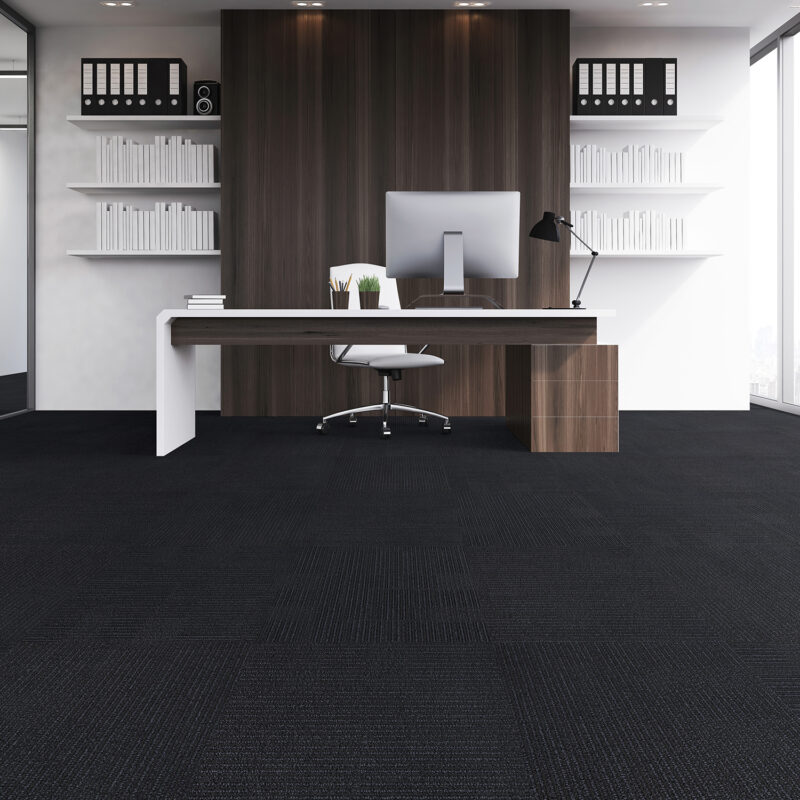
Carpet Tiles Melbourne



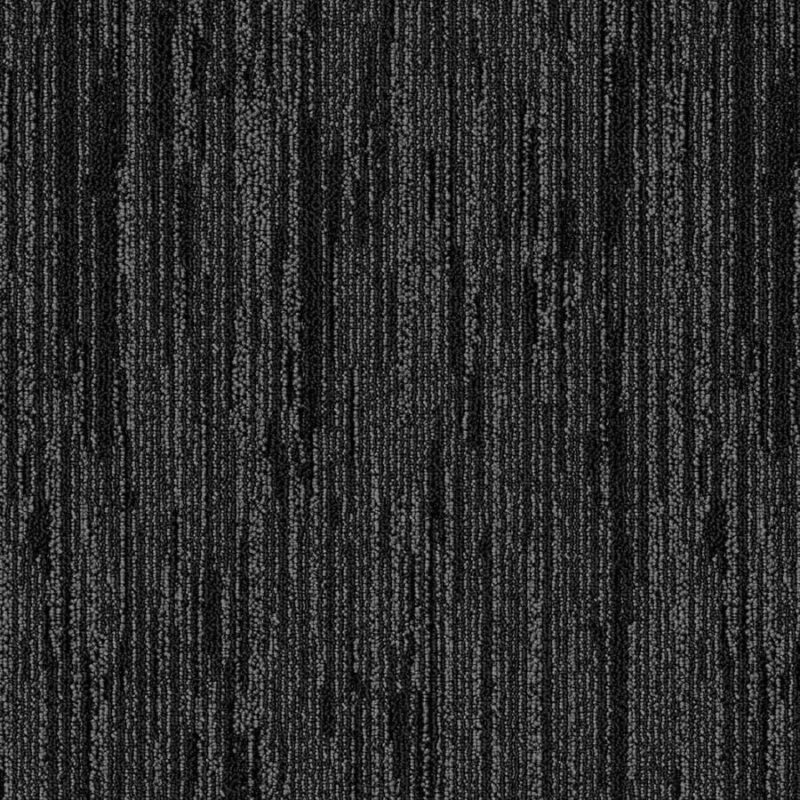
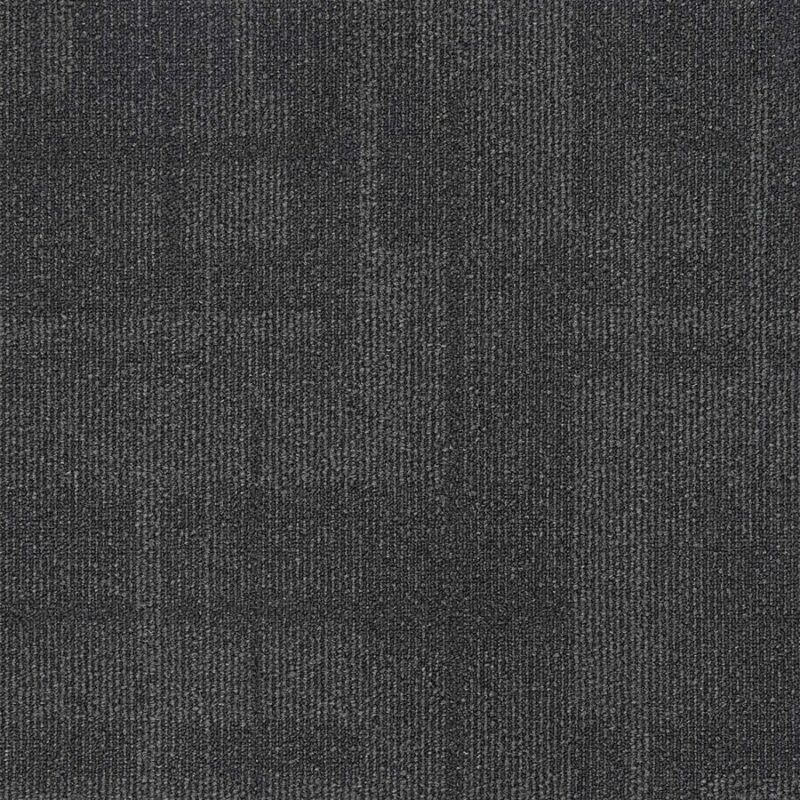
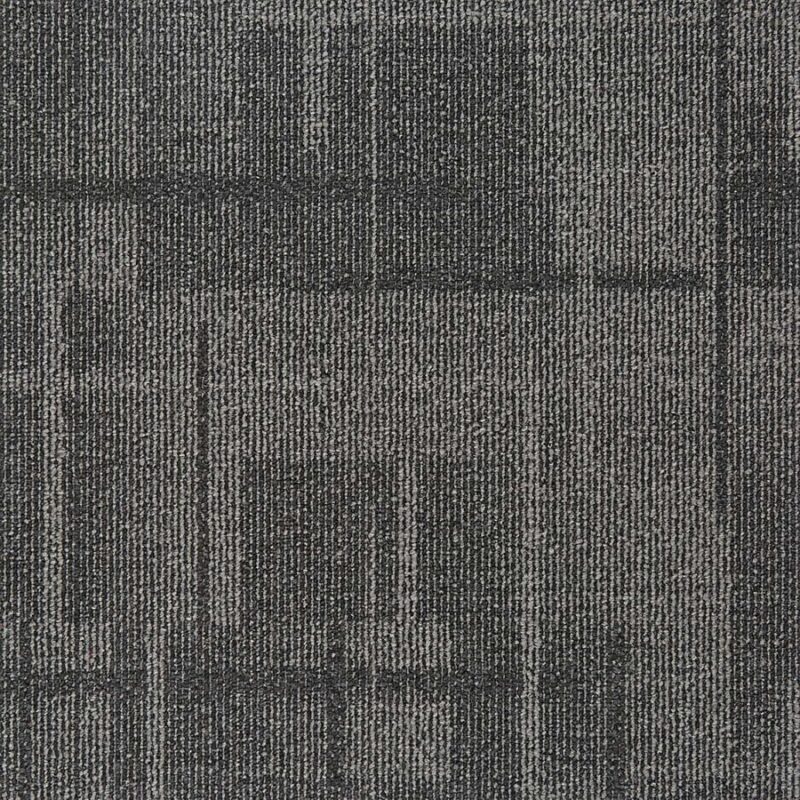
Carpet Tiles Melbourne


COMMERCIAL CARPET TILE FAQ
Frequently Asked Questions
Common questions about choosing, designing and installing commercial carpet tiles in Melbourne.
What are commercial carpet tiles?
Commercial carpet tiles are modular carpet sections commonly supplied in square formats. They are installed individually to create a complete carpeted floor.
Are carpet tiles suitable for offices?
Yes. Suitable commercial carpet tiles can work well in offices, meeting rooms, reception areas and other workspaces. However, the selected product should match the expected traffic and application.
What is the difference between carpet tiles and carpet planks?
Carpet tiles commonly use a square format, while carpet planks use a longer rectangular shape. Both are modular flooring systems, although their layout and visual effect can be different.
Can individual carpet tiles be replaced?
Yes. One advantage of modular carpet is that individual damaged or heavily worn tiles can often be replaced without replacing the entire floor, provided suitable matching material is available.
Should I keep spare carpet tiles?
Yes, where practical. Keeping spare tiles from the original installation can make future repairs easier because production batches may vary slightly in colour.
Can carpet tiles be installed over concrete?
Yes. Suitable carpet tiles can be installed over a properly prepared concrete substrate. However, the floor should first be checked for condition, flatness and product-specific requirements.
Does the subfloor need preparation?
It may. Depending on the existing floor, preparation can include removing old adhesive, patching, grinding or levelling before the carpet tiles are installed.
How are commercial carpet tiles installed?
Installation requirements depend on the selected carpet tile range. Therefore, the approved adhesive and installation system specified by the manufacturer should be followed.
Are carpet tiles good for acoustic comfort?
Carpet generally provides a softer acoustic environment than many hard-floor surfaces. However, actual acoustic performance varies between products and backing constructions.
Can different carpet tile colours be mixed?
Yes. Depending on the collection, different colours can be combined to create feature areas, pathways and defined zones within a commercial interior.
Are carpet tiles suitable for high-traffic areas?
Suitable commercial-grade carpet tiles can be used in higher-traffic spaces. Nevertheless, the exact range should be selected according to its commercial rating and intended application.
Are carpet tiles easier to repair than broadloom carpet?
They can be. Because carpet tiles are modular, a damaged section can often be replaced individually. By contrast, repairing broadloom carpet can involve a larger section of flooring.
Does Dex Flooring install commercial carpet tiles?
Yes. Dex Flooring supplies and professionally installs suitable commercial carpet tile flooring for projects across Melbourne.
Can I buy commercial carpet tiles supply-only?
Yes. Supply-only options are available for suitable products. If you already have an installer, our team can help you compare ranges and confirm the quantity required.
Where can I see commercial carpet tile samples?
Visit our Nunawading showroom at 318 Whitehorse Road, Nunawading VIC 3131 to compare commercial carpet tile colours, textures and formats.