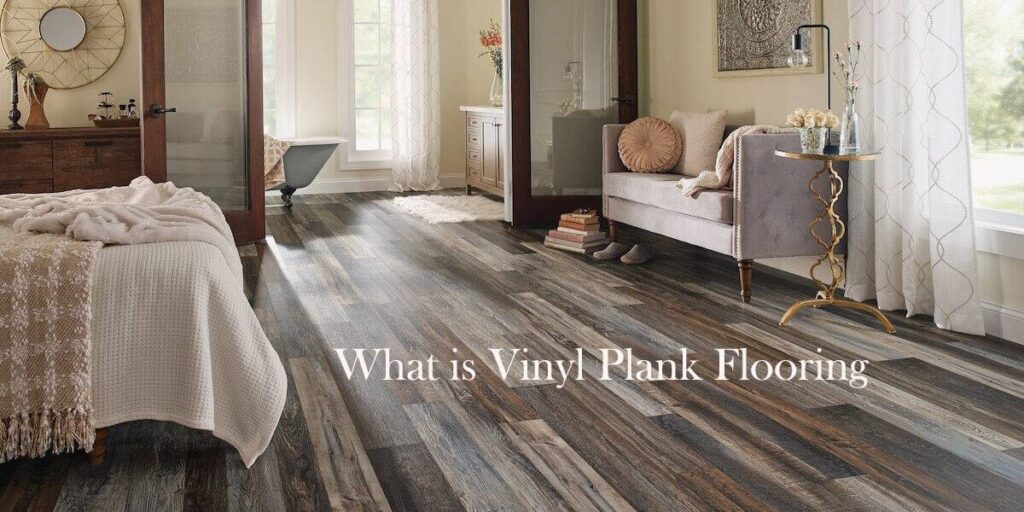
With so many flooring options available, choosing the right one can feel overwhelming — our vinyl plank range is a good starting point. Hardwood, tile, and laminate are popular choices. However, one modern alternative is quickly gaining attention: vinyl plank flooring. Known for its durability, realistic designs, and easy maintenance, this resilient flooring option delivers beauty and performance at a great price. Moreover, it suits both budget-conscious and style-focused homeowners.
What Makes This Flooring Unique
Vinyl planks are a type of resilient flooring designed to mimic natural hardwood, stone, or tile. Instead of sheets, they come in long, narrow planks that replicate authentic materials. In addition, each plank typically has multiple layers, each serving a specific purpose:
- Wear layer: Protects against scratches, stains, and fading.
- Printed design layer: Creates realistic visuals with advanced printing technology.
- Core layer: Provides stability, often made of PVC, SPC, or WPC.
- Backing layer: Adds comfort and sound reduction, often felt or cork.
Therefore, understanding these layers helps you make informed decisions about your flooring choice.
Exploring Different Vinyl Options

Different types of vinyl planks suit various spaces, budgets, and preferences. As a result, understanding each category ensures you pick the right one.
Luxury Vinyl Planks (LVP)
Luxury vinyl planks are the premium option. They combine realism, resilience, and comfort. Furthermore, LVP offers three types of cores:
- Wood Plastic Composite (WPC): Softer underfoot and quieter, though slightly less rigid.
- Stone Plastic Composite (SPC): Extremely durable, waterproof, and ideal for high-traffic or wet areas.
- Rigid Core: Balances comfort with strength and waterproofing.
Engineered Vinyl Planks (EVP)
A more budget-friendly choice, EVP features solid vinyl throughout. As a result, it is durable, easy to maintain, and well-suited for low-traffic areas.
Other Variants
- Peel-and-Stick Planks: DIY-friendly, but thinner and less durable.
- Glue-Down Planks: Provide permanent stability.
- Loose-Lay Planks: Quick to install without adhesives. However, they perform best in low-traffic areas.
Choosing the Right Option
When selecting vinyl plank flooring, consider the following factors:
- Budget: LVP is more expensive, while peel-and-stick and EVP are affordable.
- Traffic levels: SPC or glue-down planks handle heavy use better.
- Moisture resistance: For bathrooms or laundry rooms, SPC or rigid cores are ideal.
- Installation preference: Click-lock and peel-and-stick are DIY-friendly; glue-down may require professional help.
- Style: From classic wood grains to modern tiles, designs suit every décor.
In short, matching your flooring choice to your lifestyle ensures the best results.
Why Homeowners Choose It
Vinyl planks offer numerous benefits:
- Durable: Resistant to scratches, dents, and fading.
- Water-resistant: Handles spills, with SPC offering superior waterproofing.
- Easy maintenance: Sweep and mop—no special treatments required.
- Comfortable: Softer and warmer underfoot than tile or hardwood.
- Affordable: A cost-effective alternative to natural wood or stone.
- DIY-friendly installation: Many options feature simple click-lock systems.
Consequently, this flooring provides excellent value compared to traditional materials.
Potential Drawbacks to Consider
- Not fully waterproof: Prolonged exposure may cause damage.
- Non-repairable: Damaged planks must be replaced.
- Off-gassing: Low-quality planks may release VOCs—choose certified products.
- Less authentic feel: It doesn’t perfectly match hardwood.
- Uneven subfloors: Installation may require extra preparation.
On the other hand, many homeowners find the benefits outweigh these drawbacks.
Installing and Caring for Your Floors

Many homeowners choose DIY vinyl plank installation thanks to click-lock and peel-and-stick systems. However, for glue-down planks or uneven subfloors, professional help ensures lasting results.
In addition, regular cleaning—sweeping, light mopping, and avoiding harsh chemicals—keeps floors looking new for years.
Cost Guide: Budget to Luxury
Costs vary depending on quality and installation method. Generally, prices range from peel-and-stick options to high-end LVP. Therefore, factoring in installation and underlayment helps calculate the total investment accurately.
Common Questions Answered
Are vinyl planks good for pets?
Yes, they resist scratches and stains, making them pet-friendly.
How long do vinyl planks last?
With proper care, 10–20 years or more.
Are vinyl planks safe for children?
Yes, especially if you choose low-VOC certified products.
Can I install vinyl planks myself?
Yes—most click-lock systems are DIY-friendly. However, glue-down may require professional assistance.
What can damage vinyl planks?
Excessive moisture, sharp objects, and harsh chemicals can harm them.
Conclusion
Vinyl plank flooring strikes the perfect balance of durability, style, and cost. Moreover, with so many types, styles, and installation methods available, it is an excellent option for both homes and businesses. Ultimately, by weighing pros and cons and considering your needs, you can select the ideal flooring that enhances your space for years to come.