
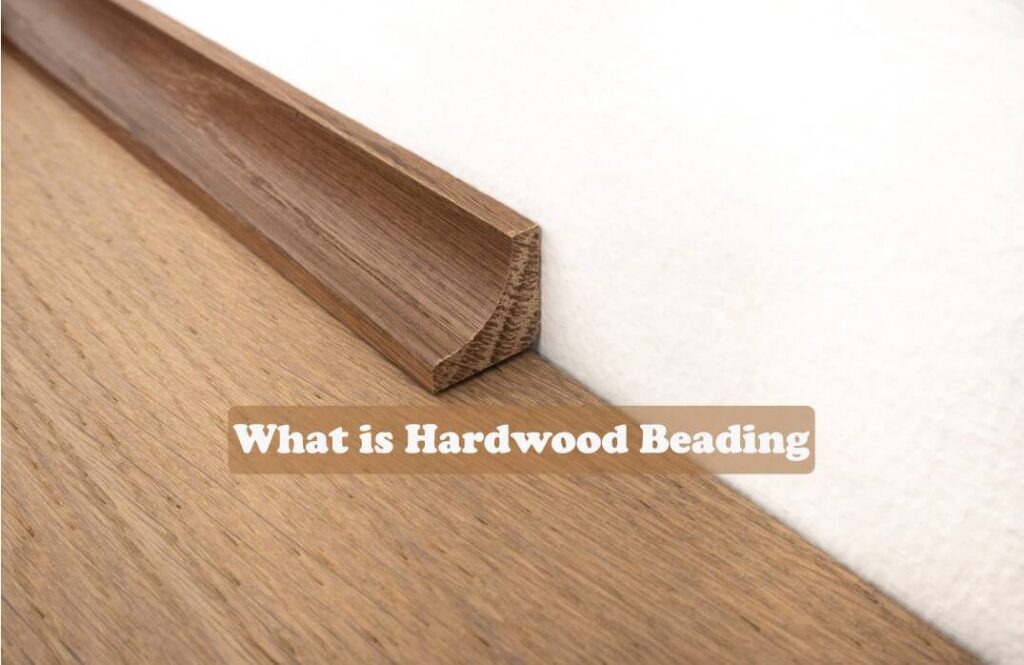
If you’re installing or refinishing hardwood flooring in Melbourne, you’ll likely encounter the need for hardwood beading—a subtle but essential finishing element. Also known as scotia trim or wood beading trim, this thin strip conceals the necessary expansion gap. Moreover, it enhances your floor’s polished look while serving a critical functional role.
What Is Hardwood Beading?
Hardwood beading Melbourne homeowners choose is typically a slim timber (or alternative material) profile installed along the base of walls after flooring is laid. Choose a profile that matches your boards — paler trims suit European oak flooring best. Specifically, its main job is to cover the expansion gap—a small space left around the room’s perimeter to allow solid timber floors to expand and contract with Melbourne’s seasonal humidity and temperature shifts. This movement matters most with solid boards, which is one reason many Melbourne homes choose engineered timber flooring instead. Consider using hardwood beading to achieve a neat and polished look.
Without this gap—and proper beading to hide it— hardwood floors risk warping, buckling, or cracking. In fact, this risk is especially high during humid summers or dry winters, which are common across Victoria. If you are still weighing up boards, our guide to buying hardwood floors explains what to look for before you order. Therefore, beading isn’t just decorative—it’s a safeguard for your investment.
Key Benefits of Hardwood Beading
- Conceals expansion gaps for a clean, professional finish—as a result, your floor looks seamless and intentional.
- Protects skirting boards from scuffs and impacts, particularly in high-traffic hallways or family rooms.
- Enhances room aesthetics by creating smooth transitions between floor and wall. For example, matching beading to your skirting can unify the entire space visually. Hardwood beading helps in enhancing these aesthetics effectively.
- Discreet cable management—in some cases, thin electrical or data cables can be routed behind the beading, offering a cleaner appearance.
Types of Wood Beading Trim in Melbourne
Two primary profiles dominate the Melbourne market: scotia beading and quadrant beading. While both serve the same functional purpose, they differ significantly in visual style. Consequently, your choice will depend on your interior design and existing skirting.
Scotia Beading: The Classic Melbourne Choice
Scotia trim features a recessed, right-angled profile that creates a clean shadow line between floor and skirting. Because of this, it’s the go-to option for both traditional and contemporary Melbourne homes.
Why choose scotia beading? First, it blends seamlessly with standard skirting boards. Second, it’s available in hardwood, MDF, and moisture-resistant PVC—making it ideal for kitchens, laundries, or humid climates. Finally, you can select pre-finished or unfinished options, depending on whether you prefer convenience or custom staining. This versatility shows why hardwood beading is often chosen by many Melbourne residents.
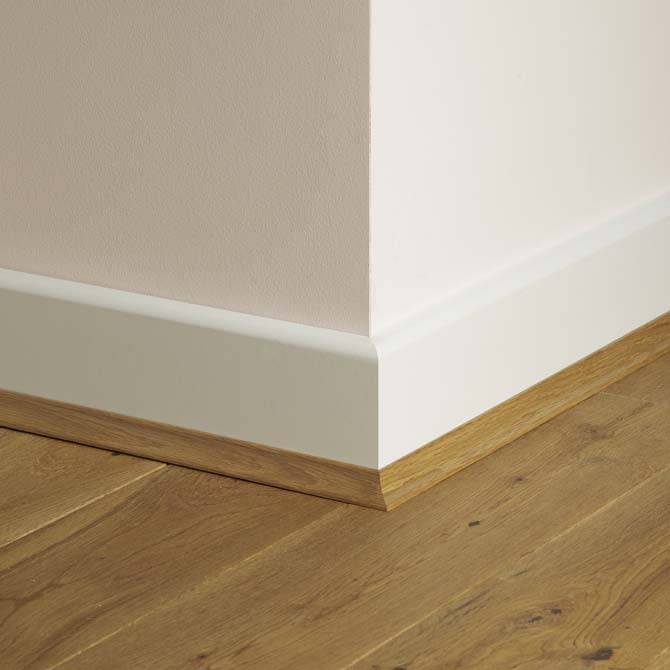
Quadrant Beading: Soft Curves for Elegant Transitions
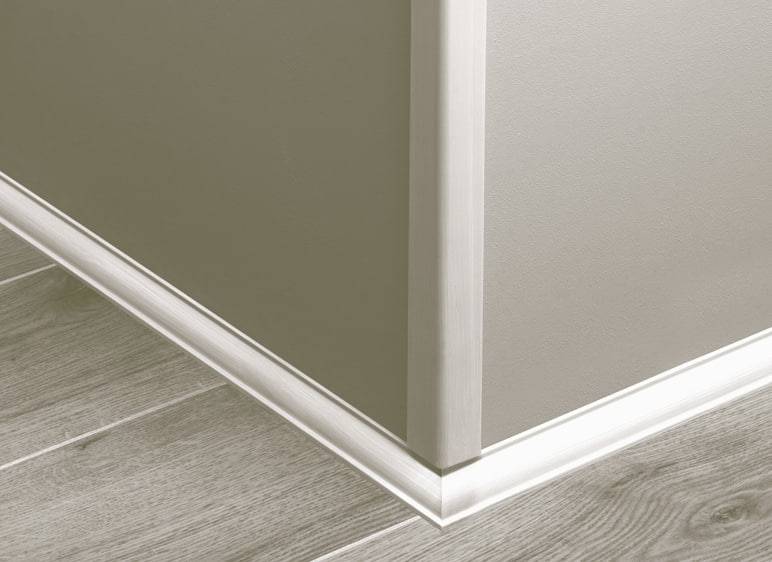
In contrast to scotia, quadrant beading features a gentle quarter-circle curve. As a result, it offers a softer, more architectural look—perfect for period homes, heritage properties, or spaces with coved ceilings.
Although less common than scotia in Melbourne, quadrant beading is prized for its seamless visual flow. Notably, it works exceptionally well when paired with curved skirting or ornate wall mouldings.
Choosing the Right Beading for Your Melbourne Home
When selecting your wood beading trim, consider the following. It also helps to settle the floor itself first — the 3 key questions for choosing hardwood floors are worth answering before you pick a trim:
- Match your skirting profile—for instance, scotia suits flat or standard trims, while quadrant complements curved designs.
- Material matters: Solid hardwood offers durability and authenticity, whereas PVC or MDF provides affordability and moisture resistance—especially useful in wet zones. The same choice applies to the floor beside it — see our engineered timber range.
- Finish coordination is key. Ultimately, your beading should harmonise with your floor colour, skirting, or wall palette. This is where hardwood beading can make a significant difference, ensuring a cohesive design.
Pro tip: At Dex Flooring, we help Melbourne clients select beading that complements both their flooring and interior style—ensuring a flawless, long-lasting finish.
Installation Tips
Importantly, beading is installed after your hardwood flooring is complete. Furthermore, it must be fixed to the wall—not the floor—using adhesive, pins, or both. This ensures the floor can move freely underneath without restriction.
While DIY installation is possible, improper fixing can restrict natural timber movement or create visible gaps over time. Therefore, for engineered or solid timber floors, we recommend hiring a certified Melbourne flooring installer to get it right the first time.
Frequently Asked Questions
What’s the difference between scotia beading and quadrant beading?
Scotia has a concave, angled profile, whereas quadrant features a smooth convex curve. In practice, scotia is more common in Melbourne homes due to its versatility, illustrating why choosing the right hardwood beading is crucial.
Can I use hardwood beading in bathrooms?
Generally, no. Solid timber beading isn’t suitable for wet areas. Instead, opt for PVC beading or moisture-resistant MDF to avoid swelling or warping.
Do I need beading with floating floors?
Yes—absolutely. Even floating timber or engineered floors require expansion gaps, and beading provides the essential finishing touch. In this case, hardwood beading remains a reliable option.
Where can I buy hardwood beading in Melbourne?
Dex Flooring supplies and installs premium scotia and wood beading trim across Melbourne, carefully matched to your flooring selection for a cohesive look.