
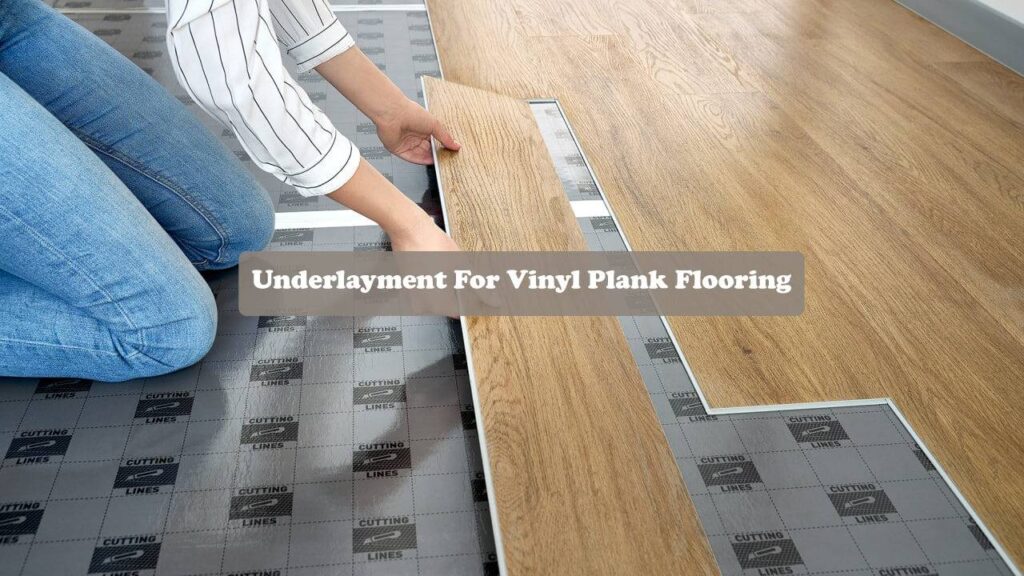
You’ve chosen your dream Vinyl Flooring, but before installation starts, there is one essential step: selecting the right vinyl flooring underlay. This layer enhances comfort, minimises noise, and improves moisture protection. Additionally, it increases the life of your planks. Moreover, in this guide, we outline the best options for underlayment for vinyl plank flooring, explain when to use each type, and help you choose the best underlay for vinyl flooring in any home or office. If you are still deciding on the floor itself, start with what vinyl plank flooring is.
What is Underlayment for Vinyl Flooring?
Underlayment is a thin layer placed between the subfloor and the vinyl planks. If you are comparing materials and applications, explore our Flooring Underlay range for suitable flooring systems. Although it looks simple, underlayment for vinyl flooring supports the entire floor system. Furthermore, it enhances comfort, improves stability, and helps maintain the floor’s long-term durability. As a result, this layer performs several important functions:
-
- Moisture Protection: It prevents water damage, especially when installing underlayment vinyl flooring for concrete.
- Noise Reduction: It lowers impact noise and creates a quieter indoor environment.
- Comfort: It adds gentle cushioning underfoot, making each step more enjoyable.
- Surface Smoothing: It corrects small subfloor imperfections so planks sit evenly.
Do You Always Need Vinyl Flooring Underlay?
Some vinyl planks include built-in underlay. However, a separate vinyl flooring underlay often delivers better comfort, additional moisture protection, and improved acoustic performance. Consequently, you can install vinyl without an extra layer, but you lose warmth, softness, and noise control. Therefore, choosing a separate underlay is usually a smart decision if you want enhanced performance and longevity.
Underlayment Thickness & Compatibility
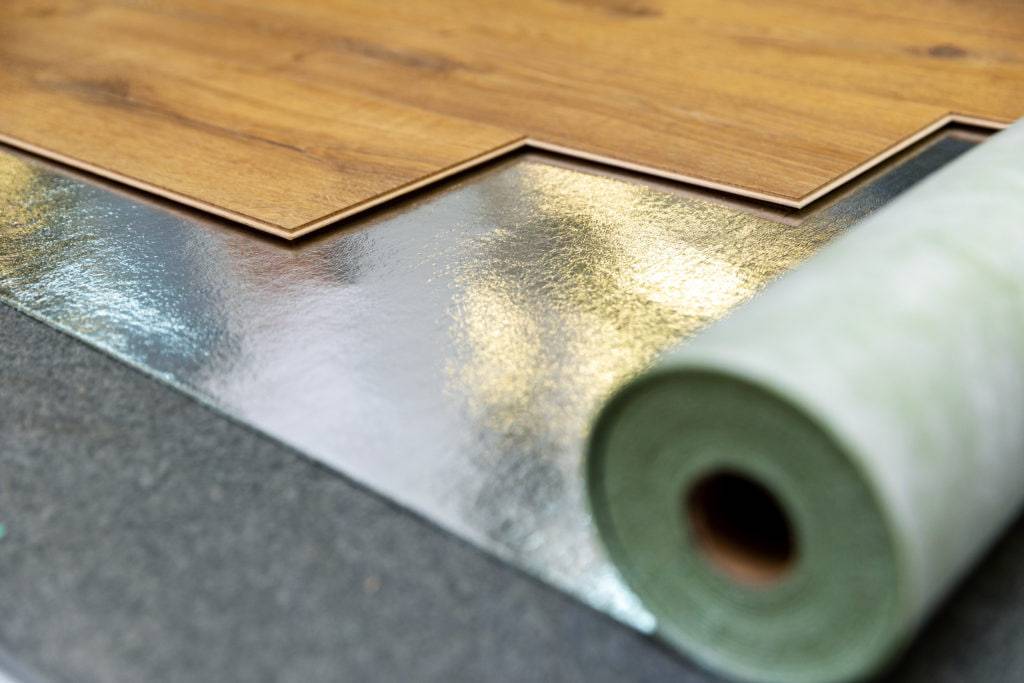
A typical underlay thickness ranges from 1 mm to 1.5 mm. However, thickness alone does not determine performance. Additionally, material density, firmness, and the included moisture barrier play a major role. Therefore, always follow the manufacturer’s recommendations to ensure your vinyl underlay is compatible with your flooring. Moreover, avoid installing multiple underlay layers, as this may weaken the locking system and void warranties.
Types of Vinyl Flooring Underlay
The ideal underlayment for vinyl flooring depends on the subfloor type, noise requirements, and budget. Moreover, the best underlay for vinyl flooring varies by project, but the following options are among the most reliable:
- Cork Underlay: Excellent for noise control and minor subfloor imperfections. However, it requires a moisture barrier on concrete.
- Foam Underlay: A cost-effective choice that provides light cushioning. Additionally, it must be paired with the correct moisture protection.
- Felt Underlay: Strong acoustic performance and often includes a vapor barrier, making it ideal for apartments and upper floors.
- Rubber Underlay: Durable, warm, and water-resistant; therefore ideal for busy households.
- Plywood/OSB: Useful for creating a smooth, firm base; however, it does not offer softness or insulation.
Underlayment Vinyl Flooring for Concrete
Concrete naturally releases moisture, which can damage vinyl planks. Therefore, the correct underlayment vinyl flooring for concrete must include a built-in moisture barrier. Moreover, felt and rubber underlays with vapor protection work especially well. Consequently, for basements, ground floors, and moisture-prone rooms, never skip this barrier.
Advantages of Using Vinyl Flooring Underlay
- Soundproofing: Reduces noise transfer and improves acoustic comfort.
- Comfort: Provides softer and more enjoyable walking comfort.
- Moisture Protection: Shields vinyl planks from damp or uneven subfloors.
- Longevity: Reduces strain on plank joints and extends the floor’s lifespan.
- Warmth: Helps add mild insulation, especially on cold concrete floors.
How to Choose the Best Vinyl Underlay
The best underlay for vinyl flooring depends on your installation space and performance goals. Therefore, consider the following:
- For noise control: Choose cork or felt underlay, as both provide excellent acoustic benefits.
- For maximum comfort: Rubber or premium foam offers superior softness and support.
- For high-moisture areas: Select an underlay with a vapor barrier, especially for vinyl flooring on concrete.
- For uneven subfloors: Cork or plywood helps create a smoother and more stable base.
Final Thoughts
While underlayment is not always required, it significantly enhances your vinyl flooring. Moreover, it improves comfort, warmth, durability, and moisture resistance. As a result, selecting the right vinyl flooring underlay ensures your floor performs well and maintains its appearance. For the best outcome, follow product recommendations and consult experts at Dex Flooring before making your final choice.
To further support your selection process, you can also explore premium vinyl options and technical specifications available through Polyflor’s Melbourne vinyl flooring collection. Their extensive range offers valuable insight into product performance and compatibility, helping you choose underlay and flooring solutions that deliver optimal long-term results.