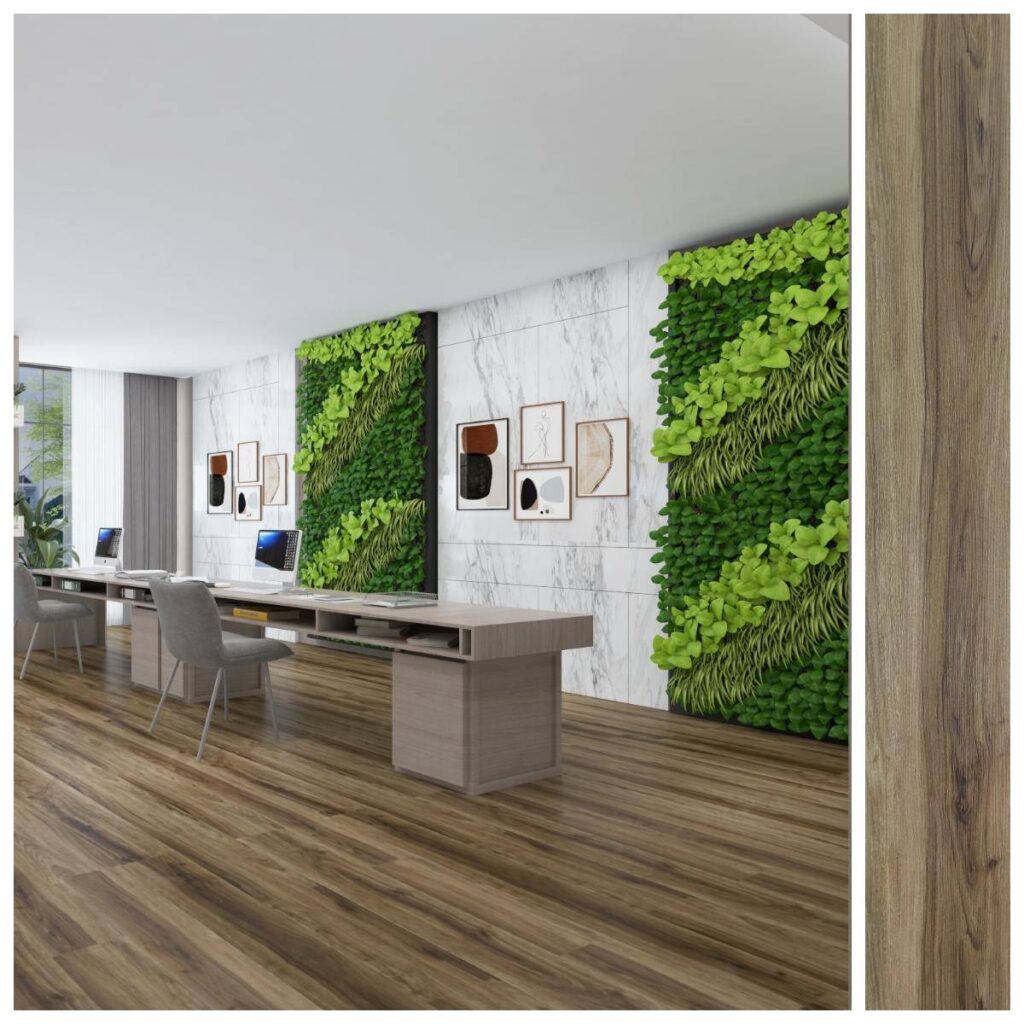
Hybrid flooring is a rigid-core flooring option designed to combine
the practical benefits of laminate and vinyl flooring. It offers a timber-look
finish together with good durability, water resistance and easy everyday
maintenance. As a result, hybrid flooring has become a practical choice for many
residential and commercial spaces.
If you are comparing flooring options for your home, explore our
Hybrid Flooring Melbourne
range for available colours, products and installation options.
How Is Hybrid Flooring Made?
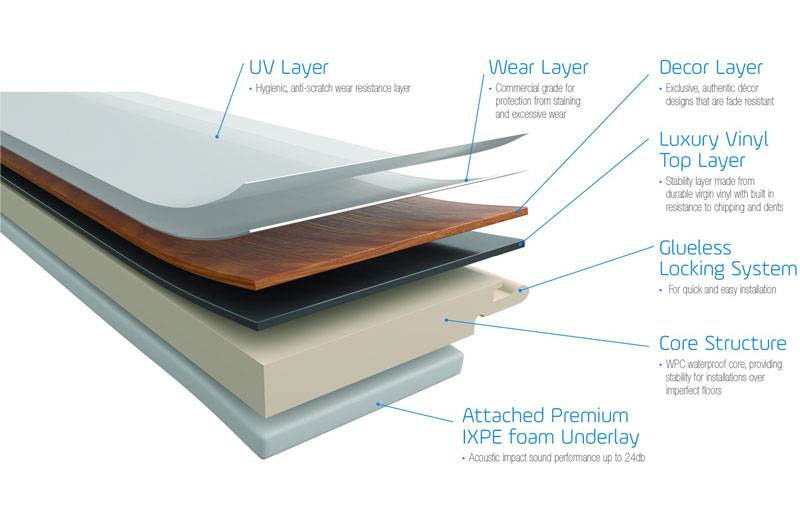
Hybrid flooring is constructed from several layers, and each layer serves a
different purpose. Together, these layers help improve appearance, stability and
day-to-day performance.
- Wear layer: A transparent top layer that helps protect the
surface against scratches, stains and everyday wear. - Decorative layer: This layer creates the timber, stone or
tile-inspired appearance of the floor. - Rigid core: Usually made from SPC or WPC material, the core
provides strength, stability and resistance to impacts. - Underlay layer: Some hybrid floors include an attached
underlay to improve comfort and reduce noise.
What Is WPC Hybrid Flooring?
WPC stands for Wood Plastic Composite. This type of flooring
combines wood fibres or wood flour with thermoplastics and other additives to
create a stable and water-resistant flooring core.
In addition, WPC flooring is available in a variety of colours, textures and
timber-look designs. Most products use an interlocking system, so the boards can
be installed as a floating floor.
One of the main benefits of WPC flooring is its balance of appearance, comfort
and practicality. Therefore, it can suit homeowners who want a timber-inspired
look with better moisture resistance than traditional timber flooring.
What Is SPC Hybrid Flooring?
SPC stands for Stone Plastic Composite. Unlike WPC, SPC flooring
uses a rigid core made from a combination of limestone powder, PVC and
stabilisers.
Because of this rigid construction, SPC flooring offers strong dimensional
stability, durability and resistance to everyday impacts. In addition, the dense
core helps the boards remain stable under normal changes in temperature and
humidity.
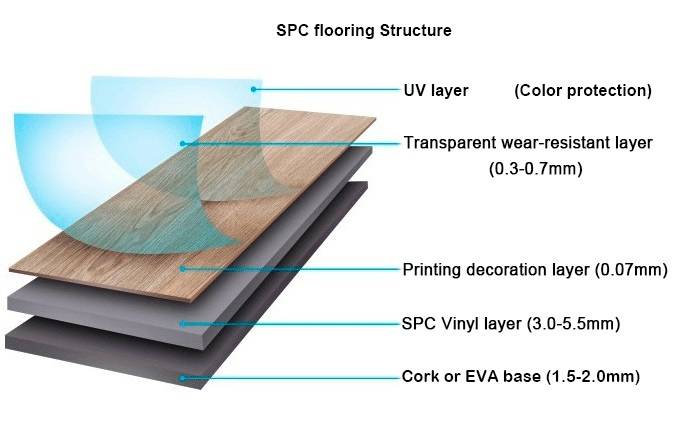
Typical SPC Flooring Layers
- Wear Layer: Protects the surface against stains, scratches
and wear. - Decorative Vinyl Layer: Creates the timber, stone or other
flooring design. - SPC Core: Provides rigidity, strength and dimensional
stability. - Underlay: Some products include an attached layer for
additional comfort and sound reduction.
Furthermore, SPC flooring commonly uses a click-lock system. Therefore, it can
often be installed as a floating floor without adhesive.
SPC vs WPC Hybrid Flooring: What Is the Difference?
The main difference between SPC and WPC hybrid flooring is the material used
inside the rigid core. However, both options are designed to provide durability,
water resistance and a wide range of decorative finishes.
- SPC: Uses a Stone Plastic Composite core made with limestone,
PVC and stabilisers. - WPC: Uses a Wood Plastic Composite core that combines wood
fibres with thermoplastic materials.
Generally, SPC flooring is more rigid. By comparison, WPC can offer a slightly
different balance of stability and comfort. Therefore, the better option depends
on the room, expected traffic and the type of feel you prefer underfoot.
What Rooms Are Suitable for Hybrid Flooring?
Because hybrid flooring is durable, water-resistant and easy to maintain, it can
work well in a variety of residential and commercial spaces.
- Living rooms: A practical timber-look option for busy family
areas. - Kitchens: Suitable for areas where spills and regular
cleaning are common. - Bathrooms: Water-resistant hybrid products can be suitable
where the flooring and installation system are appropriate. - Basements: The water-resistant construction can be useful in
areas where moisture is a consideration. - Entryways: A durable option for regular foot traffic, dirt
and wet footwear. - Retail and office spaces: Hybrid flooring can also suit many
commercial areas that require durability and easy maintenance.
Is Hybrid Flooring Right for You?
Overall, hybrid flooring offers a useful combination of durability, water
resistance, timber-inspired design and straightforward floating installation.
However, the best product will depend on your room, subfloor, lifestyle and
preferred finish.
To compare products in person, explore our
hybrid flooring range in Melbourne
or visit the Dex Flooring showroom in Nunawading.