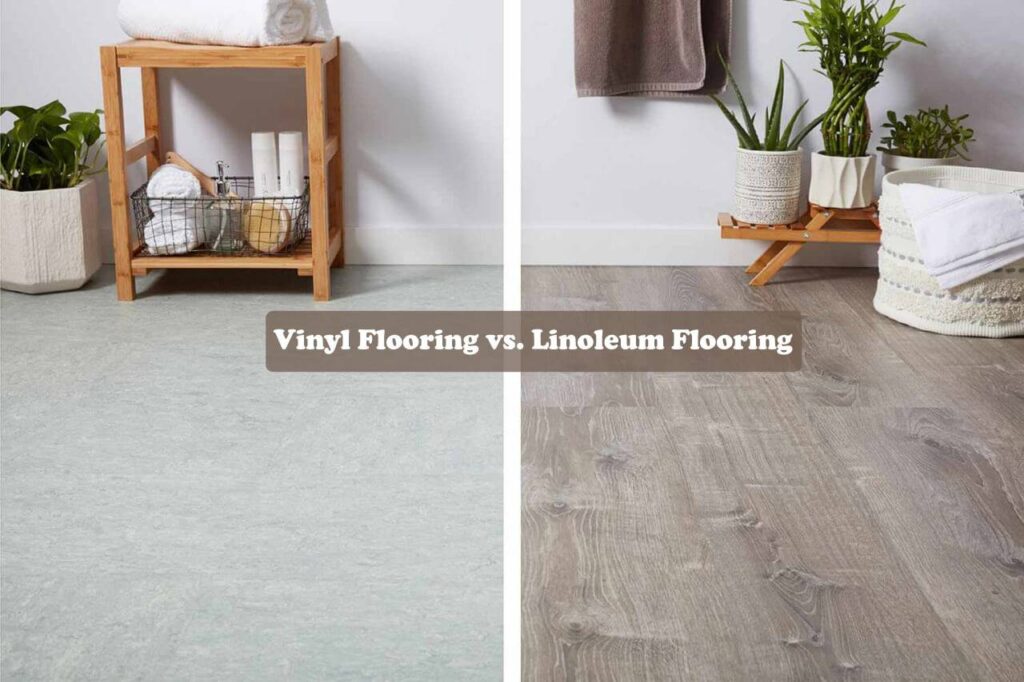
Understanding the key differences in vinyl vs. linoleum flooring is essential when choosing the right material for your home. Although both are resilient options, the difference between vinyl and linoleum flooring significantly affects durability, maintenance, sustainability, and long-term performance. Additionally, homeowners comparing vinyl vs linoleum pros and cons often discover that each material suits different priorities. Get a free quote for your vinyl or linoleum flooring project today! Dex Flooring’s experienced team can help you choose the right material, measure your space, and provide a hassle-free installation. Visit Dex Flooring or call +61 483 224 831 to learn more.
 Vinyl flooring offers an exceptionally wide range of colours, textures, and effects — see them in our vinyl flooring range. Because of its printed design layer, vinyl can mimic timber, stone, terrazzo, or any custom aesthetic. Furthermore, its vibrant visuals support contemporary interior design trends. However, the printed layer may wear through over time, affecting appearance in high-traffic areas.
 Linoleum features colour and pattern throughout the material. Although it offers fewer design choices, it maintains a consistent appearance as it ages. Additionally, linoleum develops a gentle patina that enhances its natural, classic look. Therefore, it suits homeowners who prefer timeless rather than trend-driven flooring styles.


Linoleum vs. Vinyl Flooring: A Tale of Two Materials
Linoleum: The Original Green Warrior
As one of the oldest resilient flooring options, linoleum has been used for more than 160 years. This material is created from natural ingredients such as linseed oil, cork dust, wood flour, and jute backing. Its colour runs throughout the entire product, giving it long-lasting visual consistency and a naturally sustainable profile. Because the colour runs throughout the material, linoleum offers long-lasting visual consistency. Moreover, its natural composition appeals to homeowners seeking sustainable flooring. For decades, linoleum dominated kitchens and utility areas due to its durability and reliable performance.Vinyl: The Synthetic Newcomer
Vinyl flooring emerged in the 1920s as a fully synthetic, PVC-based material and became widely popular in the 1960s thanks to its affordability. Unlike linoleum, vinyl includes a photographic design layer beneath a wear coat, giving homeowners unlimited design possibilities. Therefore, vinyl is often chosen for modern interiors where style flexibility is essential.Environmental Impact: A Stark Contrast
The environmental difference between vinyl and linoleum flooring is significant. Vinyl’s production requires petroleum and involves chemicals such as PVC and phthalates. Disposal is also challenging due to poor recyclability. Conversely, linoleum’s natural ingredients make it a biodegradable, low-toxicity alternative. As a result, eco-conscious homeowners often prefer linoleum for a healthier indoor environment.Vinyl vs. Linoleum Flooring: A Side-by-Side Comparison
| Feature | Vinyl Flooring | Linoleum Flooring |
| Look and Feel | Extensive design options; realistic visuals; printed layer may wear through | Limited designs; colours run throughout; ages naturally |
| Water Resistance | Modern vinyl is waterproof; sheet vinyl provides strong moisture protection | Water-resistant but requires sealing; vulnerable to flooding |
| Heat Resistance | Poor heat resistance; can melt or release fumes | Strong heat resistance; safer during fires |
| Care and Cleaning | Easy to clean; simple sweeping, vacuuming, and mopping | Easy to clean; requires low-pH, linoleum-safe products |
| Durability and Upkeep | Wear layer can erode; modern products require no sealing | Highly durable; needs periodic sealing; more prone to scratches |
| Installation Ease | Sheet vinyl: professional; tiles: DIY-friendly | Sheet linoleum: professional; tiles/planks: DIY click-lock |
| Resale Value | Minimal impact on resale | Appeals to eco-conscious buyers |
| Comfort and Sound | Moderately soft and quiet | Softer and quieter; cushioned feel |
| Environmental Impact | Non-recyclable; chemical-based | Natural, biodegradable, long-lasting |
| Lifespan | 10–20 years | 20–40+ years |
Look and Feel: Striking a Balance
Vinyl Flooring
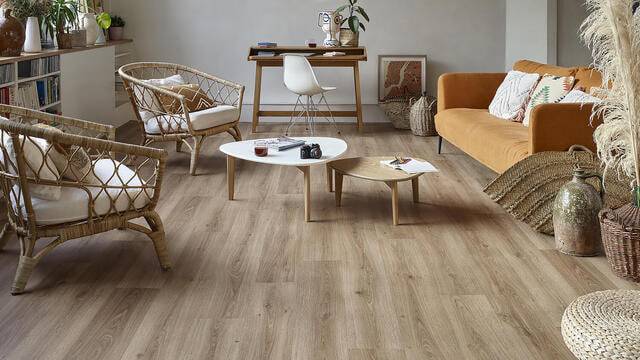 Vinyl flooring offers an exceptionally wide range of colours, textures, and effects — see them in our vinyl flooring range. Because of its printed design layer, vinyl can mimic timber, stone, terrazzo, or any custom aesthetic. Furthermore, its vibrant visuals support contemporary interior design trends. However, the printed layer may wear through over time, affecting appearance in high-traffic areas.
Linoleum Flooring
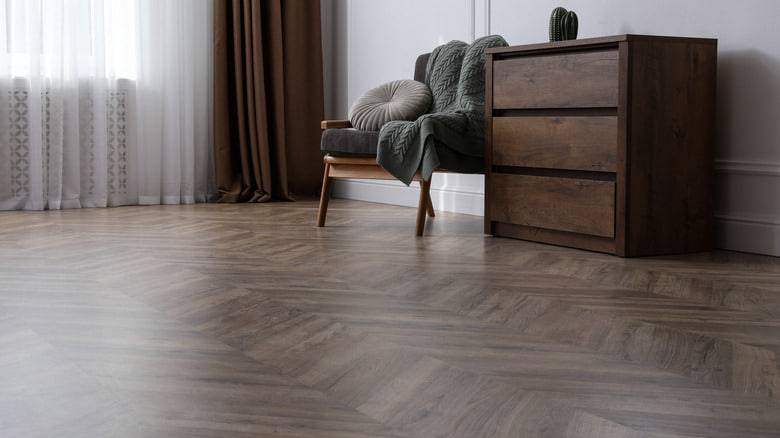 Linoleum features colour and pattern throughout the material. Although it offers fewer design choices, it maintains a consistent appearance as it ages. Additionally, linoleum develops a gentle patina that enhances its natural, classic look. Therefore, it suits homeowners who prefer timeless rather than trend-driven flooring styles.
Water and Heat Resistance
Vinyl Flooring
Modern vinyl is highly water-resistant due to its PVC structure and fiberglass backing. Because sheet vinyl contains fewer seams than tiles, it provides exceptional protection in bathrooms, kitchens, and basements. Therefore, vinyl is often the preferred choice for moisture-prone rooms.Linoleum Flooring
Linoleum performs well under normal conditions but requires regular sealing to maintain moisture protection. Flooding and humidity may cause curling, so it is less suitable for consistently wet spaces.Heat Resistance: The Linoleum Advantage
Linoleum offers superior heat resistance and does not melt easily. Moreover, it avoids releasing the toxic fumes associated with heated PVC. This distinction is important for families seeking a healthier home environment.Care and Cleaning
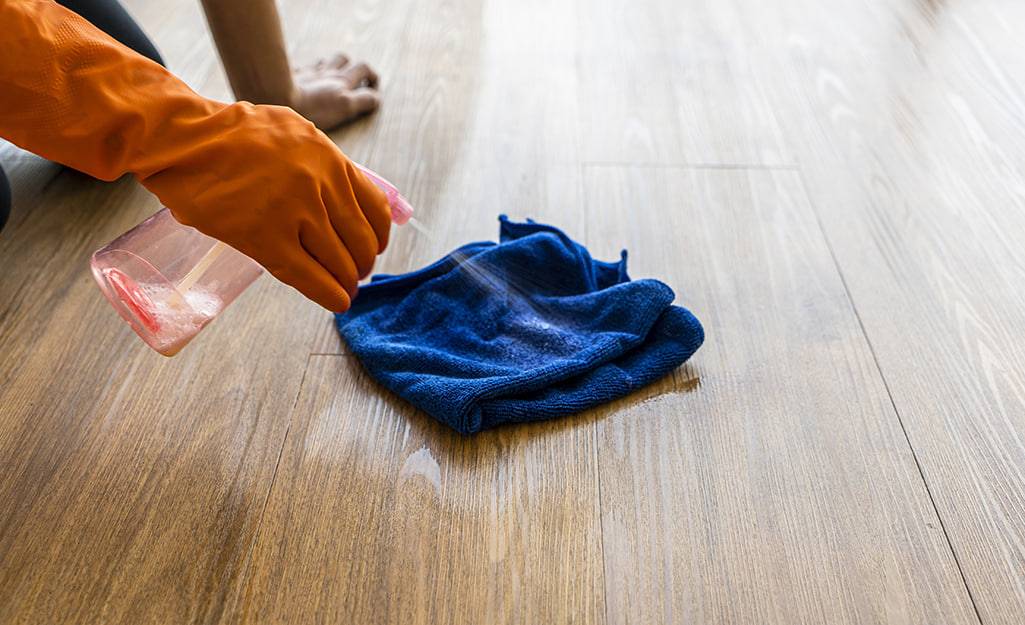
Vinyl Flooring
Vinyl is extremely low-maintenance. Regular sweeping, vacuuming, and mopping with standard detergents keep it looking new. Because vinyl resists moisture, mould, and staining, it is ideal for busy households.Linoleum Flooring
Linoleum also offers simple maintenance, although it requires pH-neutral cleaners to prevent damage. Additionally, periodic sealing preserves its stain and water resistance, ensuring long-term performance.Durability and Upkeep
Vinyl Flooring: Style and Convenience
Vinyl’s wear layer protects its design, making it resilient in high-traffic areas. However, once the wear layer breaks down, the printed design may fade or reveal the core. Despite this limitation, vinyl requires no sealing and suits homeowners who value easy upkeep.Linoleum Flooring: Built to Last
Linoleum’s solid-through structure provides exceptional durability and longevity. Even though it is softer and more prone to scratches, these marks remain less visible because the colour runs throughout the material. With routine sealing, linoleum can outperform vinyl by decades.Installation Ease
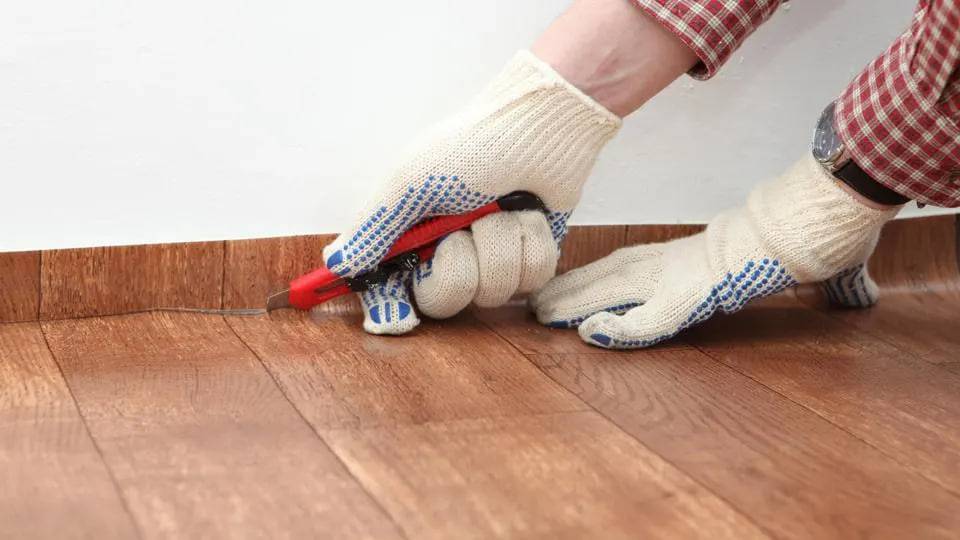
Vinyl Flooring: Glue-Down or DIY-Friendly
Sheet vinyl often requires professional installation due to precise cutting and seam work. Conversely, vinyl tiles and planks offer simple DIY installation using glue-down or peel-and-stick methods. Therefore, vinyl appeals to homeowners seeking flexibility in installation options.Linoleum Flooring: Professional Sheets, DIY Planks
Sheet linoleum should almost always be installed by professionals due to its rigidity and seam-welding requirements. However, linoleum tiles and click-lock planks are DIY-friendly and allow a floating floor installation without adhesives.Resale Value
Vinyl Flooring
While vinyl is stylish and affordable, it generally does not increase property value. Its shorter lifespan may also influence buyer perception.Linoleum Flooring
Linoleum’s eco-friendly appeal attracts sustainability-focused buyers. Although design options are fewer, its natural composition and longevity can positively influence resale impressions.Comfort and Sound
Vinyl Flooring
Vinyl provides moderate comfort and noise reduction. However, it may feel firmer and cooler underfoot, particularly over concrete subfloors.Linoleum Flooring
Linoleum offers superior comfort due to its softer structure. Additionally, it absorbs sound better than vinyl, creating a quieter indoor environment.Environmental Impact
Vinyl Flooring
Vinyl’s chemical composition results in higher environmental impact. Recycling options are limited, and disposal contributes to long-term landfill waste.Linoleum Flooring
Linoleum stands out as a sustainable choice. Its natural ingredients, long lifespan, and biodegradability significantly reduce its environmental footprint.Lifespan
Vinyl Flooring
Vinyl typically lasts 10–20 years. While it maintains its appearance until the wear layer breaks down, replacement is necessary sooner compared to linoleum.Linoleum Flooring
Linoleum can last 20–40 years or longer. Although it develops a natural patina, many homeowners appreciate this aged aesthetic.Conclusion
Choosing between vinyl vs. linoleum flooring depends on your priorities. Vinyl offers extensive design options, low maintenance, and budget-friendly installation. Linoleum provides unmatched sustainability, durability, and comfort. When comparing the vinyl vs linoleum pros and cons, consider your home’s needs, desired lifespan, environmental values, and design preferences to select the ideal flooring solution.
If you need personalised recommendations or wish to discuss your project further, the team at Dex Flooring is ready to assist. For additional insights into modern linoleum innovations, exploring the collections available through Gerflor can also help inform your final decision.