
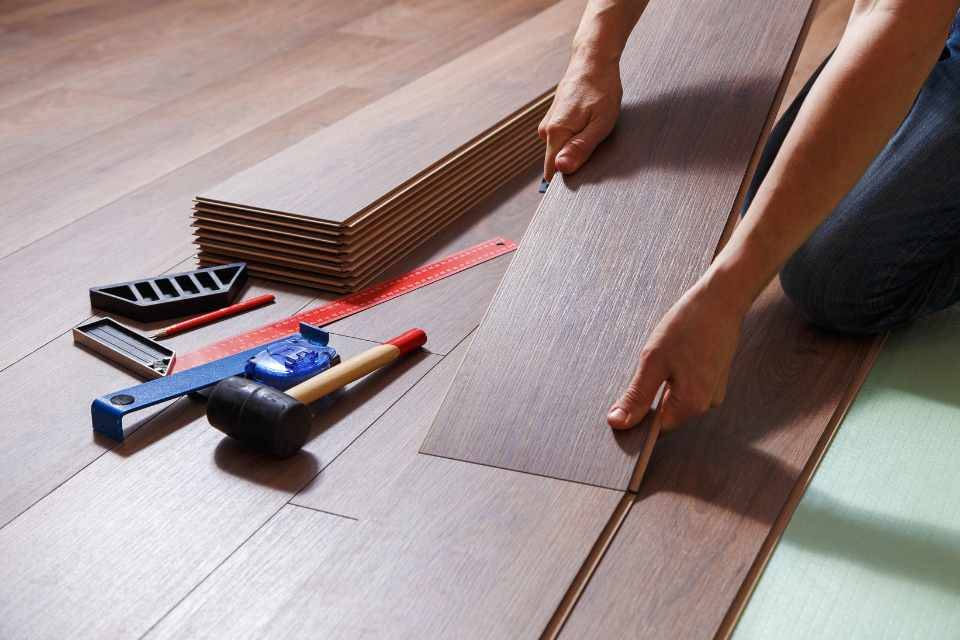
The overall aesthetics, durability, and day-to-day functionality of any home or commercial environment depend heavily on the flooring choice. Because this decision shapes both design and performance, understanding the differences in vinyl flooring vs tile is essential. Moreover, anyone renovating or building soon discovers that choosing between these materials can feel overwhelming — our vinyl flooring range is a good place to start due to the wide variety of options.
In recent years, vinyl flooring has gained popularity thanks to its affordability, simple installation, and low maintenance. Meanwhile, tiles remain a long-standing favourite due to their timeless elegance and exceptional longevity. Therefore, when comparing vinyl vs tile flooring, it is important to consider cost, durability, style, installation, and upkeep.
In this article, we provide a complete vinyl vs tile flooring comparison to help you determine the right choice for your space. Additionally, this guide highlights the strengths and limitations of both materials to simplify your decision.
Vinyl Flooring
Vinyl flooring is a synthetic product available in sheet vinyl, vinyl tile, and luxury vinyl tile (LVT). As a result of its resilience, price point, and easy installation, it has become a preferred flooring material for busy households and commercial settings. Furthermore, technological improvements have enhanced its realism, making it visually competitive with tile.
Benefits of Vinyl Flooring:
- Affordable: Vinyl is one of the most cost-effective flooring options on the market. Additionally, its long lifespan delivers strong value.
- Durable: It withstands heavy foot traffic and everyday wear, making it suitable for high-use areas.
- Water-resistant: Completely waterproof, making it ideal for kitchens, laundries, and bathrooms.
- Easy to install: Click-lock systems allow fast and stress-free installation. Consequently, DIY installations are common.
- Low maintenance: Requires minimal cleaning and upkeep, which saves time over the long term.
Tile Flooring
Tile flooring, whether ceramic, porcelain, or natural stone, is known for beauty, strength, and longevity. Moreover, these tiles come in many shapes, sizes, textures, and colours, offering unmatched design flexibility. Consequently, tile remains a premium choice for both residential and commercial settings.
Benefits of Tile Flooring:
- Durable: Tiles can last decades with proper care, and they maintain structural integrity over time.
- Aesthetic appeal: Endless designs, colours, and patterns allow for unique styling. Additionally, tile suits both traditional and contemporary interiors.
- Longevity: Resistant to ageing and fading, tile remains attractive for many years.
- Easy to clean: Smooth, non-porous surfaces simplify ongoing maintenance, especially in busy households.
Vinyl Flooring vs Tile: Cost
The cost of each material varies depending on type, quality, and installation requirements. However, vinyl flooring is generally more affordable than tile. Additionally, vinyl often reduces labour costs due to quicker installation. As a result, homeowners frequently choose vinyl when working within a strict budget.
Vinyl Flooring
- Sheet vinyl: The lowest-cost option, usually priced between $2 and $6 per square foot. Moreover, it provides a budget-friendly solution for large areas.
- Vinyl tile: Moderately priced, typically $4 to $10 per square foot.
- Luxury vinyl tile (LVT): A premium choice, ranging from $6 to $30 per square foot, offering exceptional realism.
Tile Flooring
- Ceramic tile: The most affordable tile type, costing $5 to $15 per square foot.
- Porcelain tile: More premium, usually $10 to $25 per square foot. Additionally, its density enhances durability.
- Natural stone tile: Premium luxury, ranging from $20 to $100+ per square foot, offering a high-end architectural finish.
Installation Costs
Vinyl installation is typically less expensive because it is easier, faster, and often DIY-friendly. Tile installation requires more precision, labour, and specialised tools, increasing overall installation cost. Consequently, tile labour fees are usually significantly higher. Moreover, installation time frames differ substantially, with tile requiring additional curing time.
Overall Cost Summary
In most cases, vinyl costs between $2 and $100 per square foot depending on the product type, while tile costs range from $5 to $100+ per square foot including premium stones. Therefore, vinyl remains the more budget-friendly choice for most projects. Additionally, vinyl provides predictable installation costs, which many homeowners prefer.
Average Cost Comparison Table:
| Material | Avg. Cost/sq. ft. |
|---|---|
| Sheet vinyl | $2 – $6 |
| Vinyl tile | $4 – $10 |
| LVT | $6 – $30 |
| Ceramic tile | $5 – $15 |
| Porcelain tile | $10 – $25 |
| Natural stone tile | $20 – $100+ |
Vinyl Flooring vs Tile: Durability
Both flooring types are durable; however, vinyl often performs better in high-traffic or moisture-prone areas. Additionally, vinyl provides more resistance to scratches and stains. Therefore, vinyl is frequently preferred for family homes.
Vinyl Flooring
Vinyl’s layered construction provides resistance to scratches, stains, dents, and moisture. Additionally, many vinyl floors include a built-in moisture barrier that prevents water-related damage. As a result, it is ideal for kitchens, bathrooms, and basements. Furthermore, vinyl is less likely to chip or crack under impact.
Tile Flooring
Tile is naturally durable, but it can crack or chip if exposed to impact. In addition, porous tile types may require sealing to avoid moisture absorption, mould growth, or staining. Therefore, maintenance requirements may be slightly higher. Nevertheless, tile can last several decades when properly maintained.
Overall Durability
Vinyl flooring is generally considered more resistant to surface damage, while tile offers long-term structural longevity. Ultimately, durability depends on the specific product you choose. Moreover, lifestyle factors influence the suitability of each material.
Durability Comparison Table:
| Material | Durability |
|---|---|
| Sheet vinyl | Highly durable |
| Vinyl tile | Very durable |
| LVT | Extremely durable |
| Ceramic tile | Highly durable |
| Porcelain tile | Extremely durable |
| Natural stone tile | Very durable |
Vinyl Flooring vs Tile: Ease of Installation
Vinyl flooring installs far more easily than tile due to its click-lock systems and lightweight materials. Consequently, DIY installation is common and cost-efficient. Moreover, vinyl’s flexibility makes cutting and shaping straightforward. Additionally, vinyl does not require curing time, allowing faster project completion.
Tile installation requires adhesives, grout, precise cutting, and careful subfloor preparation. Therefore, most homeowners prefer professional installation to ensure a flawless result. Additionally, the drying and curing time extends the project schedule. As a result, tile installation typically involves more steps.
Installation Comparison Table:
| Material | Ease of Installation |
|---|---|
| Vinyl flooring | Easy |
| Tiles | Difficult |
- Click-lock system: Speeds up installation and avoids adhesives. Moreover, panels lock securely into place.
- Pre-finished planks: No additional treatments required, which reduces overall installation time.
- Flexible material: Easier to cut and install around obstacles, unlike rigid tile.
Vinyl Flooring vs Tile: Aesthetic Appeal
Both materials provide excellent design flexibility. Vinyl, especially LVT, can closely mimic natural wood or stone, while tile offers authentic textures and a timeless architectural finish. Additionally, each material supports a wide range of interior styles. Therefore, both options work well in modern and traditional settings.
Vinyl Flooring
High-quality vinyl flooring offers realistic wood-grain patterns, stone effects, and modern minimalist finishes. Therefore, it is ideal for achieving a cohesive look throughout the home. Moreover, vinyl allows premium styling at a lower cost. As a result, homeowners often choose vinyl for consistent whole-house designs.
Tile Flooring
Tiles deliver unmatched elegance, offering vibrant colours, intricate patterns, and luxurious natural stone variations. Consequently, tile is often chosen for high-end designs and statement spaces. Additionally, tile complements underfloor heating systems well.
Aesthetic Comparison Table:
| Material | Aesthetic Appeal |
|---|---|
| Vinyl flooring | Versatile, realistic wood or stone looks |
| Tiles | Classic, elegant, timeless |
Ready to transform your space?
Discover premium vinyl and tile flooring at Dex Flooring. Our curated collections balance durability, style, and value. Moreover, our specialists help homeowners achieve outstanding long-term results. Additionally, our team offers expert guidance to simplify the selection process.
Speak with our experts today and choose the perfect flooring solution for your home or commercial project. Additionally, our recommendations are tailored to your lifestyle and design vision.
Dex Flooring: Where Your Dream Flooring Starts.
FAQs
Q: Which is better, vinyl or tile?
A: It depends on your priorities. Vinyl is affordable, durable, and easier to install. Tile provides timeless aesthetics and long-term value. Moreover, each material excels in different environments.
Q: What is the price difference?
A: Vinyl is generally cheaper, starting as low as $2 per square foot. Tile begins around $5 per square foot. Therefore, vinyl offers a more affordable solution for large areas.
Q: Which is easier to install?
A: Vinyl flooring is much easier due to its click-lock design. Tile requires skilled installation. Additionally, tile installation takes longer to complete.
Q: Which is more durable?
A: Both are durable, but vinyl is more resistant to scratches and stains, while tile offers structural longevity. Ultimately, your lifestyle and environment determine the better fit.
Q: Which is more slip-resistant?
A: Tile is naturally more slip-resistant, although textured vinyl options exist. Therefore, either material can be suitable for wet rooms depending on the product.
Q: Which is easier to clean?
A: Both are low-maintenance, requiring simple, routine cleaning. Additionally, each material holds up well under frequent use.
Q: Which is better for high-traffic areas?
A: Vinyl often performs better due to its scratch and stain resistance. However, tile remains an excellent long-term solution for busy spaces.
Conclusion
Both vinyl and tile offer strong advantages, but the right choice always depends on your budget, lifestyle, and design goals. Vinyl delivers comfort, versatility, and an easier installation process, making it ideal for busy households. Tile, on the other hand, offers timeless appeal and exceptional longevity. By understanding the strengths of each material, you can make a confident decision that enhances your space for years to come.
For homeowners seeking high-quality vinyl solutions, exploring trusted suppliers can simplify the selection process. You can review a wide range of durable, stylish options at Polyflor’s Melbourne vinyl flooring collection, which provides extensive product insights to support your final choice.
Choosing between vinyl and tile ultimately comes down to the balance of practicality, style, and long-term performance. Both materials offer excellent benefits, and understanding these distinctions ensures a more informed decision. If you need personalised guidance or product recommendations, feel free to contact Dex Flooring for expert support.