If you’re renovating your home or building new, you’ve probably heard the buzz around hybrid flooring vs engineered timber. Both offer beautiful finishes and modern performance—but they’re not the same. So, what’s the real difference between hybrid and engineered flooring? And which one suits your lifestyle, budget, and space best?
At Dex Flooring, we’ve helped thousands of Aussie homeowners find their perfect floor. Let’s walk through the key differences—no jargon, just real talk on hybrid flooring versus engineered timber.
What Is Hybrid Flooring?

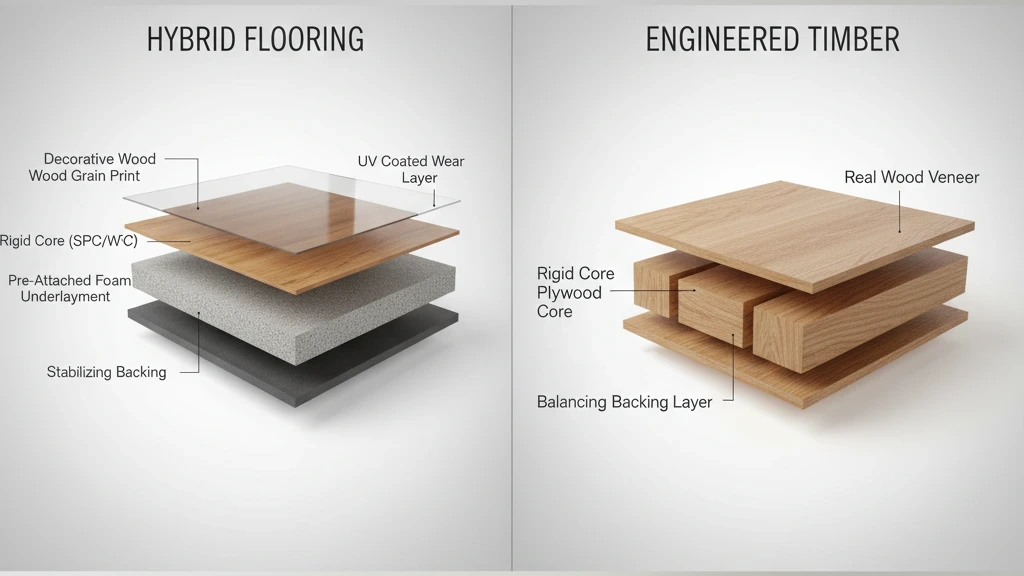
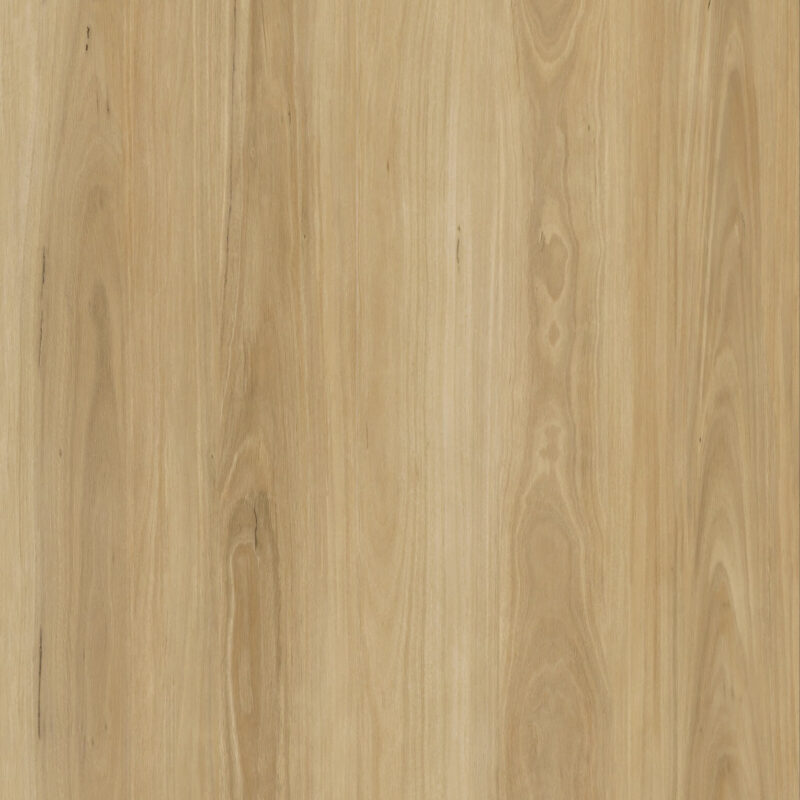
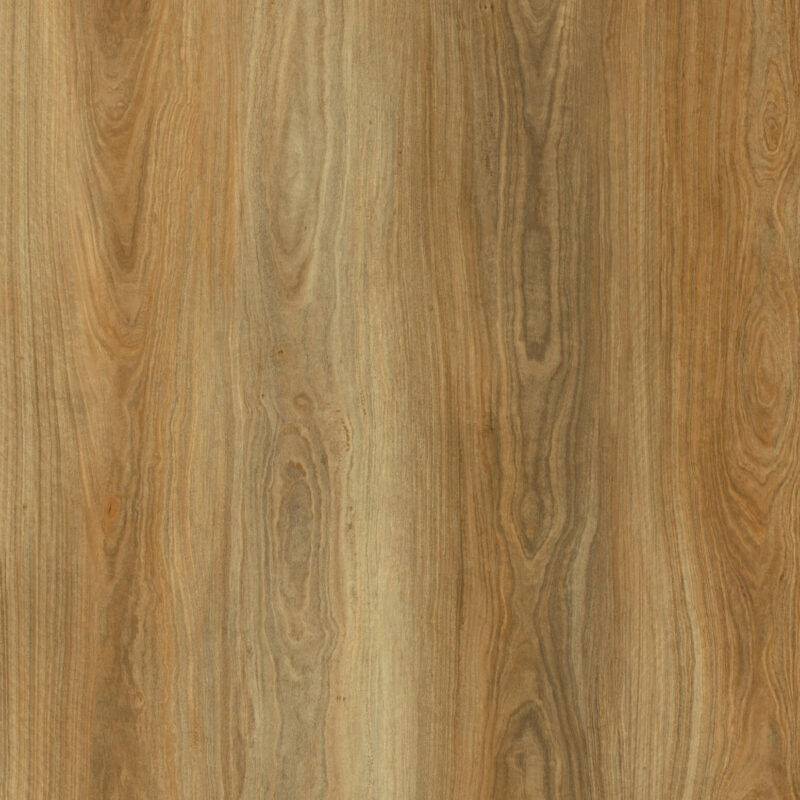
Hybrid flooring (sometimes called rigid core or luxury vinyl plank) is a modern innovation that blends the waterproof benefits of vinyl with the realistic look of wood or stone. It’s made from multiple layers, including a limestone composite core and a high-definition printed layer that mimics natural timber grain—right down to the knots and grain variations.
What Is Engineered Timber?

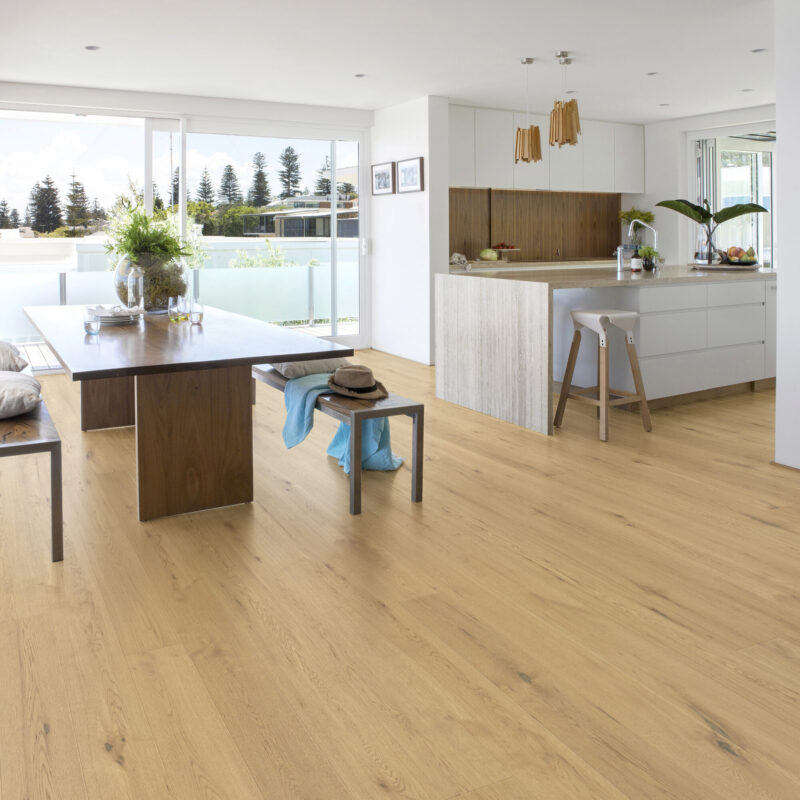
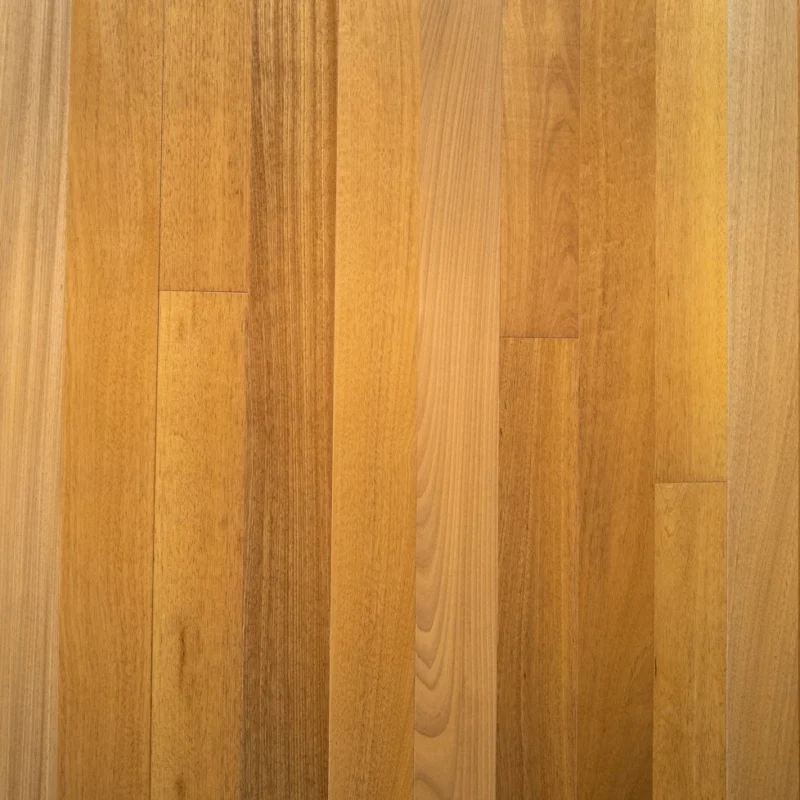
Engineered timber is real wood—just smarter. It features a top layer of genuine hardwood (like oak or walnut) bonded to several layers of plywood or high-density fibreboard underneath. This construction makes it more stable than solid timber, especially in Australia’s variable climate, offering a robust alternative in the hybrid flooring and engineered timber debate.
Head-to-Head: Hybrid vs Engineered Timber
Hybrid flooring offers 100% waterproof performance, scratch resistance, and easy DIY installation—making it ideal for busy, spill-prone areas like kitchens and bathrooms. It’s also more budget-friendly ($45–$85/m²) and comes with built-in comfort from attached underlays.
Engineered timber brings the authentic warmth and beauty of real wood, perfect for living rooms and bedrooms. While it’s not waterproof (spills need quick cleanup), you can sand and refinish it 1–3 times to refresh its look. It costs more ($70–$130+/m²) but adds lasting character and value to your home.
In short: choose hybrid for practicality, engineered timber for timeless elegance.
Difference between hybrid and engineered flooring
| Feature | Hybrid Flooring | Engineered Timber |
|---|---|---|
| Water Resistance | 100% waterproof – safe for wet areas | Water-resistant only – spills must be wiped quickly |
| Durability | Highly scratch- and dent-resistant | Durable but can dent; top layer can be sanded 1–3 times |
| Feel Underfoot | Firm but often includes cushioned underlay | Warm, natural, and authentic wood feel |
| Installation | Click-lock system; floats over most subfloors (even tiles!) | Can float, glue, or nail; may need subfloor prep |
| Average Cost (Installed) | $45–$85 per m² | $70–$130+ per m² |
| Ideal For | Kitchens, laundries, rentals, busy households | Living rooms, bedrooms, formal spaces, long-term homes |
Where Should You Use Each?
Choose Hybrid If You…
- Have kids or pets (hello, spills and scratches!)
- Want waterproof flooring for wet areas
- Prefer minimal upkeep and quick installation
- Are working with a tighter budget
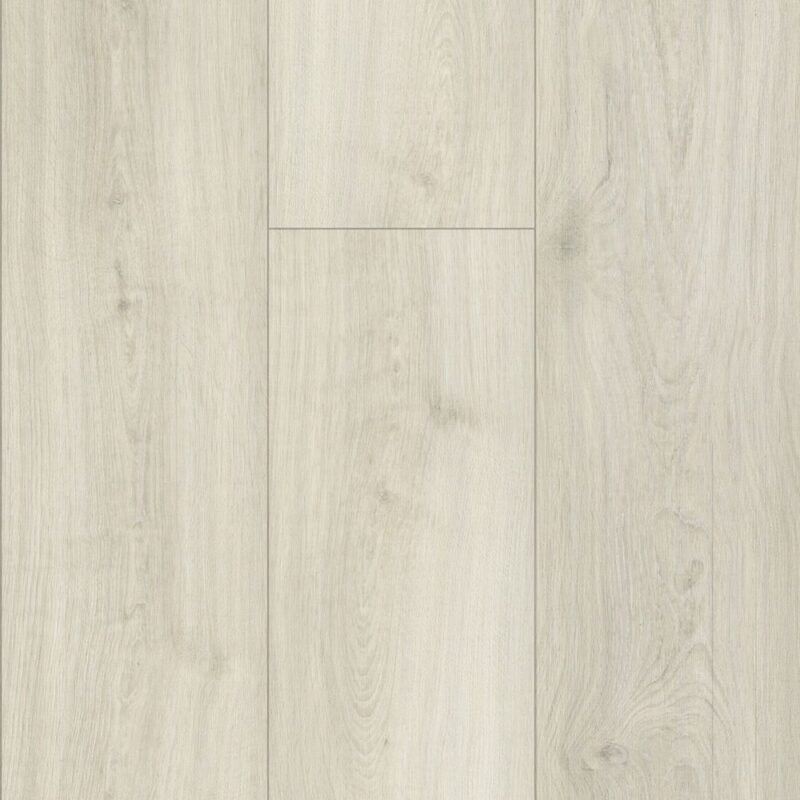
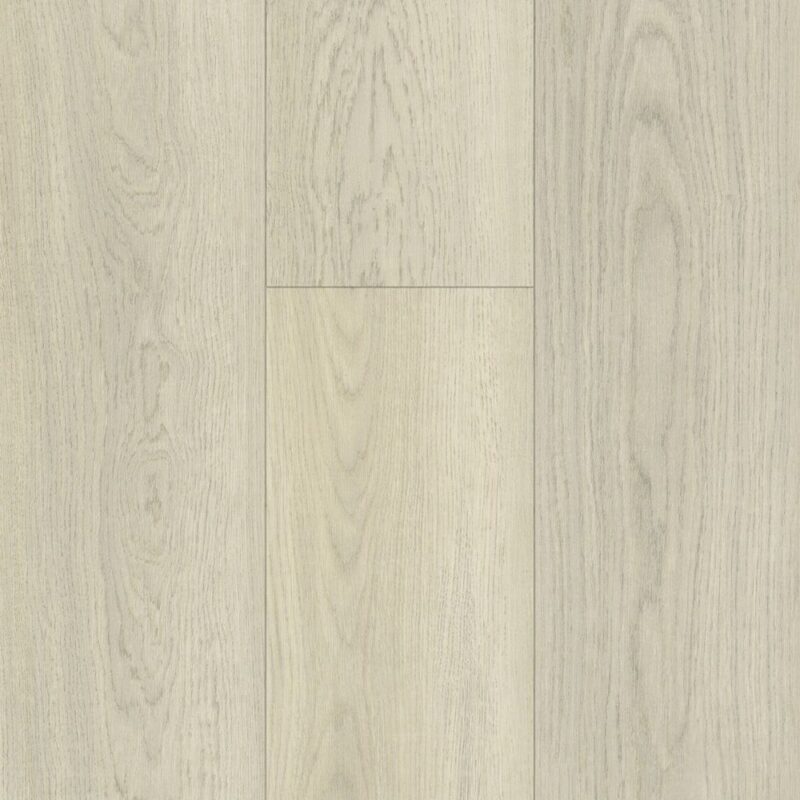
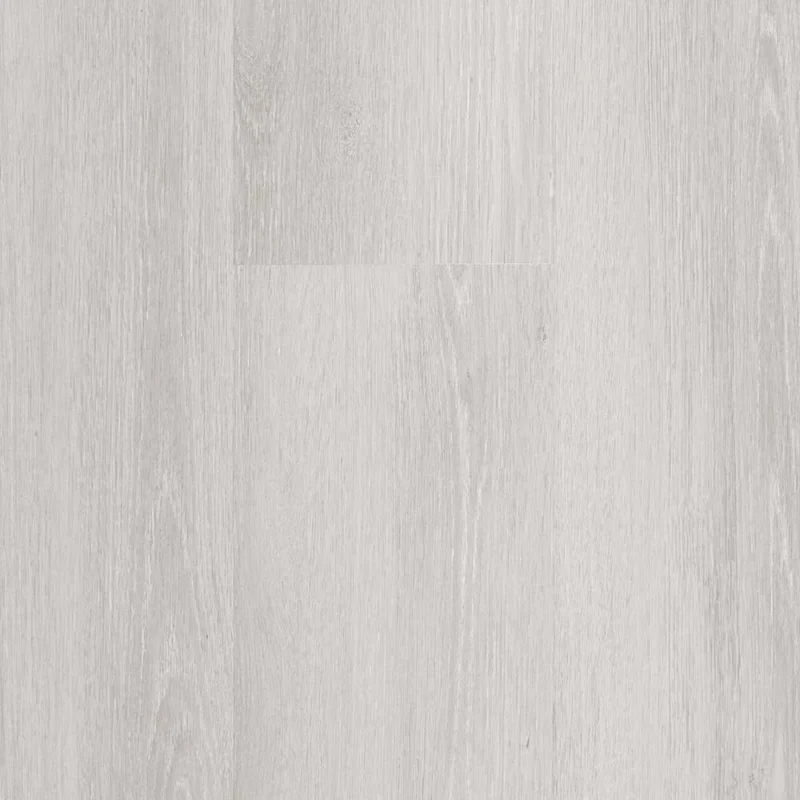
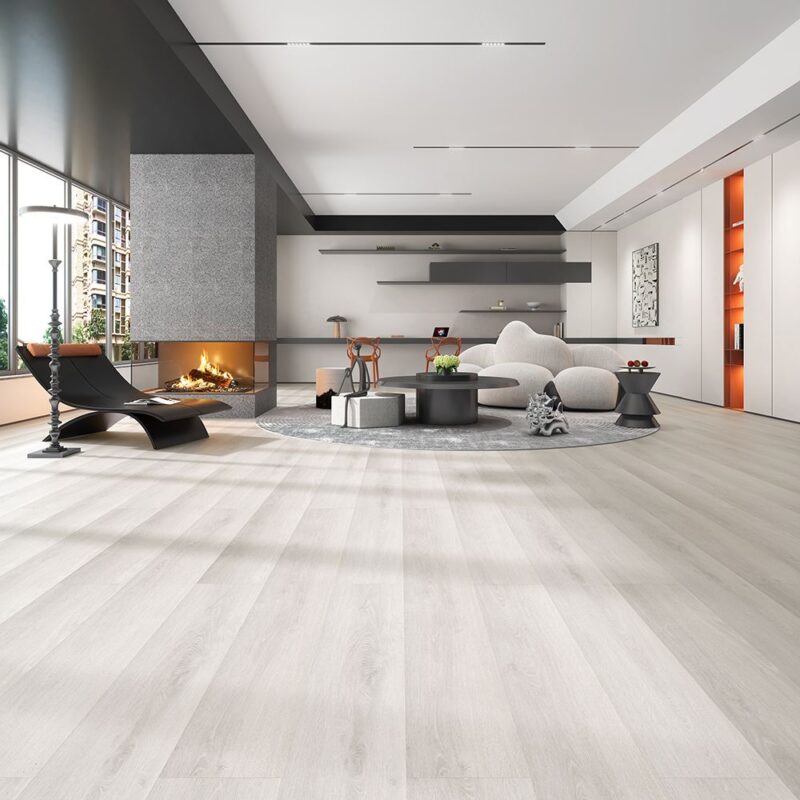
Hybrid Flooring Melbourne
Choose Engineered Timber If You…
- Crave the authentic look, feel, and scent of real wood
- Plan to stay in your home long-term and want lasting elegance
- Live in a dry or climate-controlled environment
- Value sustainability (many engineered options use responsibly sourced timber)
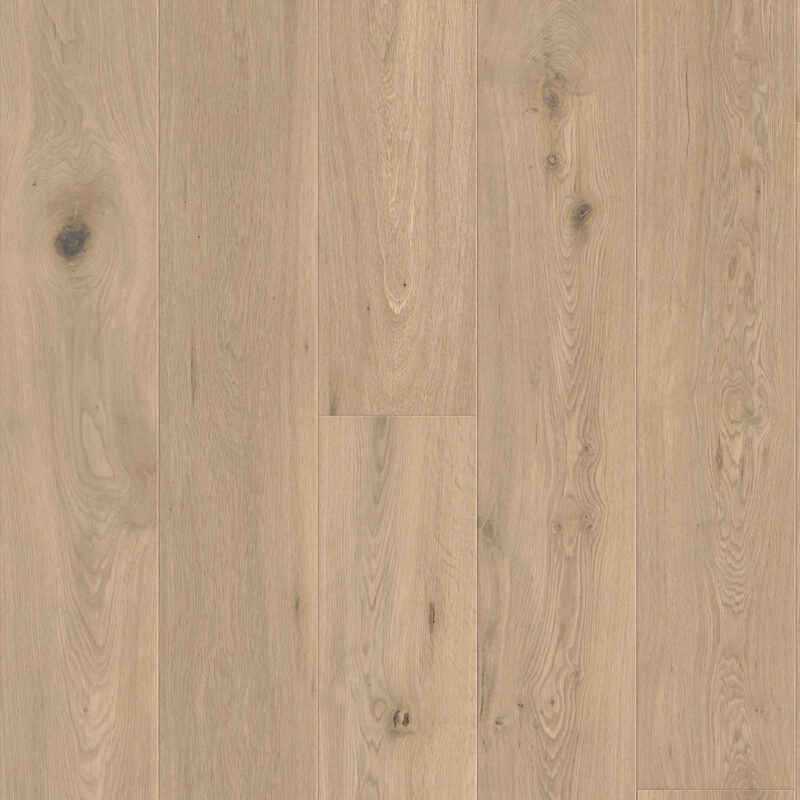
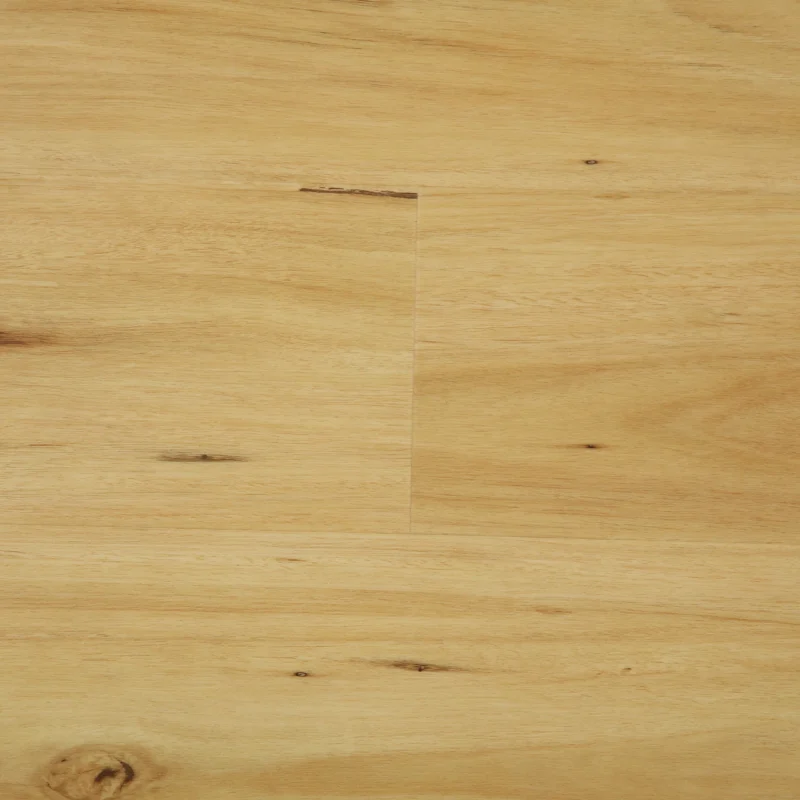
Engineered Timber Flooring Melbourne
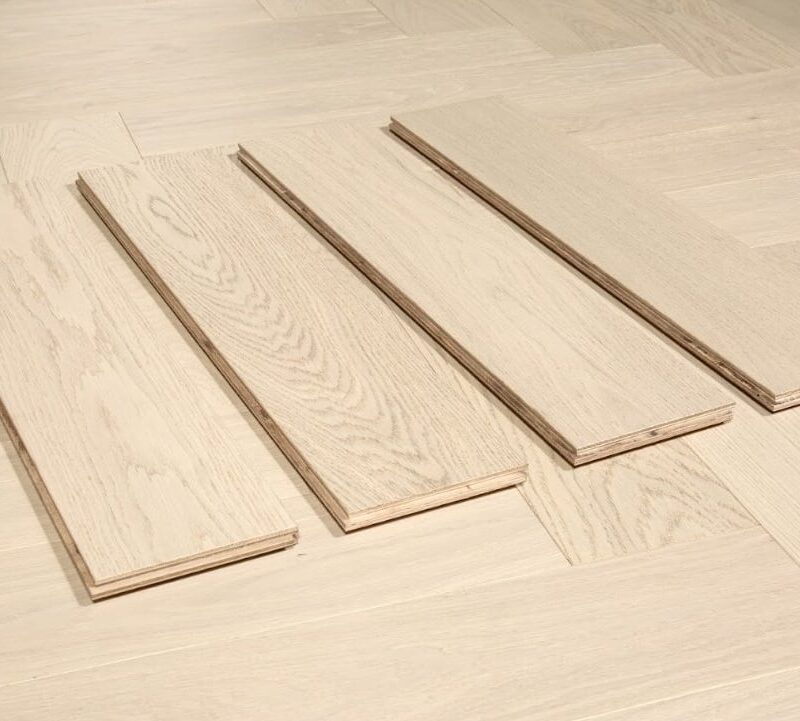
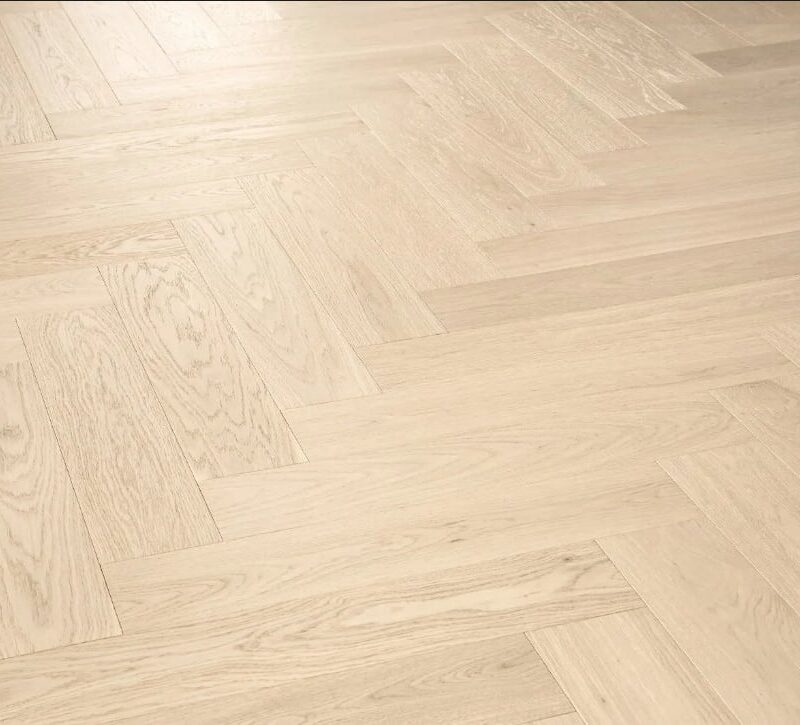
Engineered Timber Flooring Melbourne
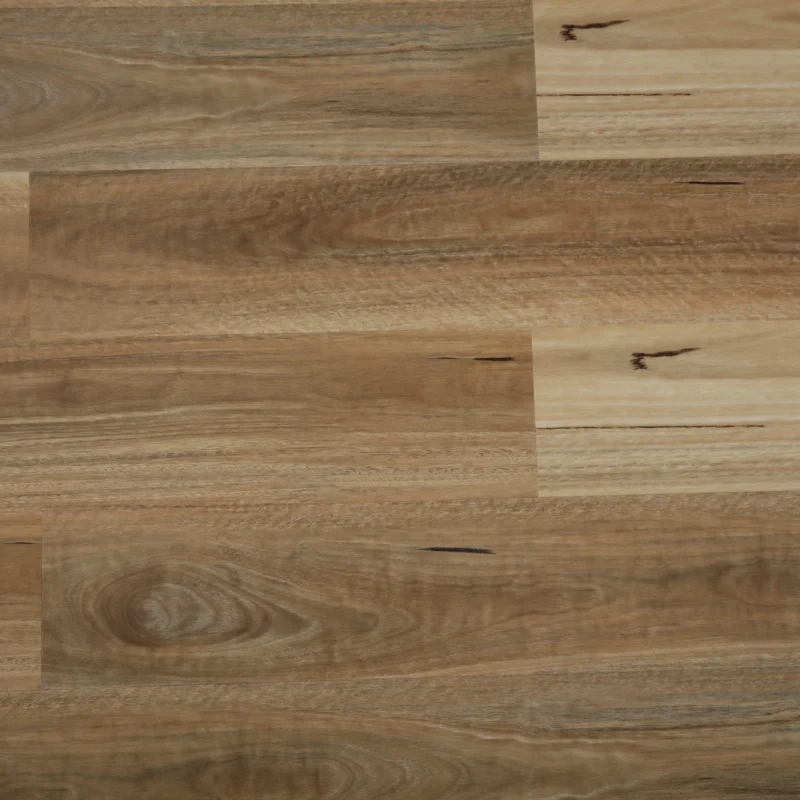
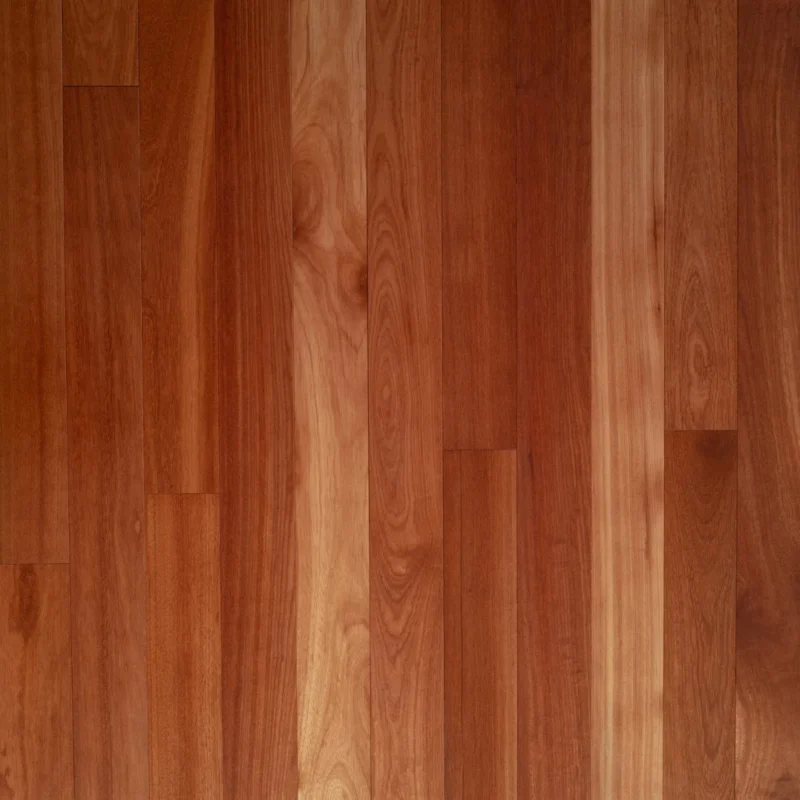
Australian Timber Flooring Melbourne
The Bottom Line
There’s no “best” option—only what’s best for you. Hybrid delivers unbeatable practicality and resilience, while engineered timber offers unmatched warmth and character. Think of it like choosing between a reliable SUV and a classic convertible: both get you where you need to go, but the experience is very different in the hybrid flooring vs engineered timber decision!
Still unsure? We get it—floors are a big decision. That’s why we offer free in-home consultations and samples so you can see, touch, and compare both options in your own space.
Get a Free Quote today and let our flooring experts help you find your perfect match!
FAQs: Hybrid vs Engineered Timber Flooring
What’s the main difference between hybrid and engineered flooring?
Hybrid flooring gives you waterproof, low-maintenance style with a rigid core and realistic wood print. Engineered timber delivers real hardwood charm — but needs more care around moisture.
Can hybrid flooring go in bathrooms?
Absolutely! Hybrid is 100% waterproof — one of the few floors safe for full bathrooms. Just make sure installers seal the joints properly.
Can I refinish engineered timber?
Yes! Most engineered timber lets you sand and refresh the surface 1–3 times — depending on how thick the top wood layer is (usually 2–6mm).
Which option is greener?
Engineered timber often takes the eco-crown — especially if it comes from responsibly managed forests. Hybrid can be recycled sometimes, but it’s made from petroleum-based materials. Always ask for certifications!
How long will each floor last?
Hybrid flooring lasts 15–25 years with good care. Engineered timber? Think 20–40+ years — especially if you refinish it over time.