
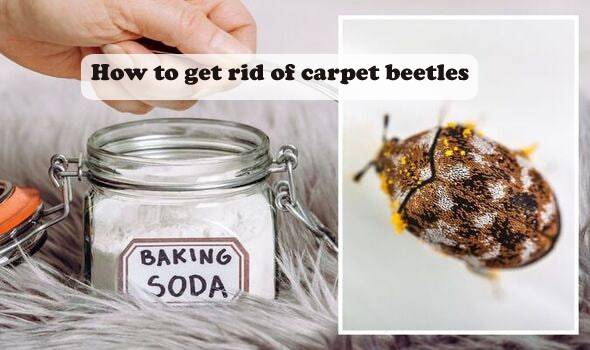
Have you noticed mysterious holes appearing in your favourite wool sweater? If so, **carpet beetles**—those tiny, unassuming flying visitors—might be to blame. To get rid of carpet beetles, it’s important to address the problem early. **While** adult beetles seem harmless, **it’s their larvae that cause real damage**, feasting on natural fibres in your carpets, clothing, upholstery, and even stored pantry goods. Knowing how to get rid of carpet beetles will save your cherished items.
Ways to Get Rid of Carpet Beetles Naturally
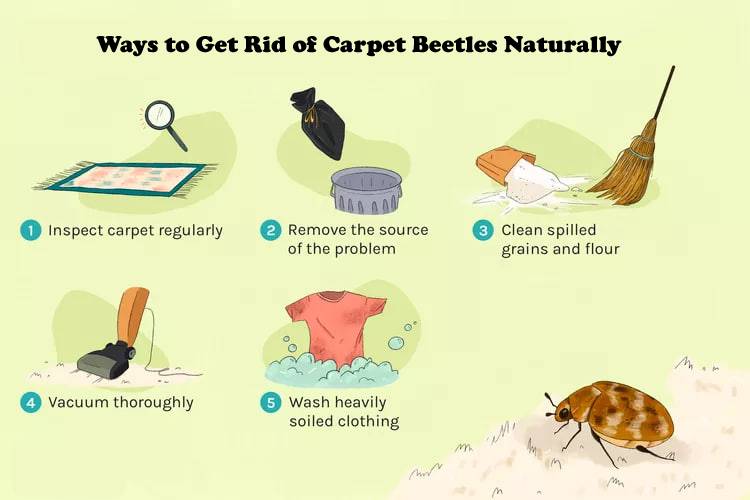
1. Inspect and Identify
The key to conquering any pest lies in understanding it—and carpet beetles are no exception. First, take time to learn their habits so you can outsmart them:
- Where are they hiding? Common hotspots include windowsills, under furniture, inside closets, and near stored food, all places to consider as you work to get rid of carpet beetles.
- What stage are they in? Remember: larvae do the damage indoors, while adults mostly feed on pollen outdoors and only enter homes to lay eggs.
- What attracts them? Surprisingly, everyday debris like pet hair, spilled grains, or unwashed woollens can act as an all-you-can-eat buffet.
2. Remove the Sources of a Carpet Beetle Problem Fast!
Once you’ve identified the issue, the next step is to cut off their food supply. Starving carpet beetles is one of the most effective natural strategies to ensure you get rid of them.
- Inspect: Always shake cut flowers before bringing them indoors, and ensure windows and doors have tight-fitting screens to block entry.
- Clean: Vacuum regularly under furniture, along baseboards, in pantries, and inside closets. Wash and store seasonal clothing in sealed containers.
- Remove: If an item is heavily infested—like an old wool rug or fabric-covered chair—it may be safer to discard it to prevent reinfestation.
3. Clean, Seal, and Sanitise to Keep Carpet Beetles Away!
Beyond basic cleaning, deep sanitation plays a crucial role. A consistently tidy home not only deters carpet beetles but also disrupts their life cycle: understanding how to effectively get rid of carpet beetles can maintain your home.
- Deep Clean: Focus on areas where organic debris accumulates—such as under baseboards, behind picture frames, or near pet sleeping zones.
- Use the Right Tools: For dry spills in pantries, avoid soap and water (which can create sticky residues). Instead, use a vacuum to remove crumbs and insect eggs safely.
4. Vacuum Frequently!
Never underestimate the power of your vacuum cleaner. In fact, it’s one of your strongest weapons against carpet beetles. Consistent vacuuming is crucial when aiming to get rid of carpet beetles effectively.
- Target Hotspots: Vacuum windowsills (especially in spring), under sofas, inside closets with woollens, and pantry corners at least once a week. Importantly, empty the vacuum bag or canister immediately afterward to prevent escapees!
By following these steps consistently, you can not only eliminate existing carpet beetles but also create an environment that discourages future infestations—keeping your home truly pest-free, while effectively knowing how to get rid of carpet beetles!
What They Actually Look Like (And Why It Matters)
Although several carpet beetle species exist in Australia, the good news is that control methods work similarly across the board. Moreover, it’s worth noting that the destructive stage is always the larva—not the adult beetle. Here’s how to identify the most common types:
The Usual Suspects:
- Varied, Common, and Furniture Carpet Beetles: These look-alikes are tiny (under 6mm), oval-shaped, and resemble miniature ladybugs with mottled patterns of brown, black, yellow, grey, and white.
- Black Carpet Beetle: Slightly more elongated than its cousins, this beetle is uniformly dark brown to jet black and often found near windows or in stored fabrics.
Signs of a Carpet Beetle Issue
If you suspect an infestation, don’t wait—early detection is key. To get rid of these beetles quickly, look out for these telltale clues:
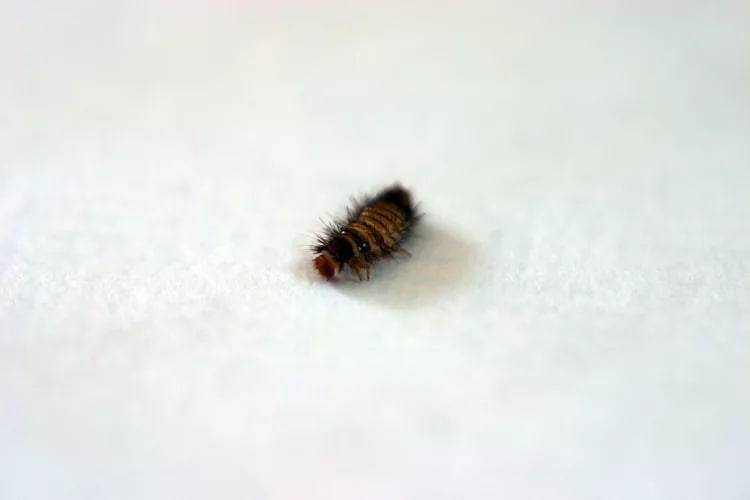
- Fuzzy Carpet Crashers: Small, hairy, worm-like larvae crawling on floors, in closets, or near baseboards are a major red flag.
- Clothing Calamity: Unexplained holes in wool sweaters, silk scarves, or fur-trimmed jackets often point to larvae feeding.
- Window Wanderers: In spring and early summer, clusters of tiny beetles near windows suggest adults are trying to get in—or escape after laying eggs.
What Attracts Carpet Beetles?
Carpet beetles aren’t picky—they’re opportunistic scavengers. They’re drawn to homes by a surprising range of attractants:
- Nighttime Nibblers: Outdoor lights at night can lure adult beetles toward your home.
- Open Door Policy: Unscreened windows or gaps under doors offer easy access for flying adults.
- Hairy Havens: Pet hair buildup in corners or under furniture provides both shelter and food for larvae.
- Insect Buffets: Dead insects in garages, attics, or behind appliances become unexpected protein sources.
- Natural Fibre Feast: Wool, silk, fur, feathers, and even leather are prime targets—so protect these items diligently.
How to Keep Carpet Beetles Away for Good?
Prevention is always easier than elimination. Here’s how to make your home inhospitable to carpet beetles:
- Fabric Fortresses: Choose synthetic rugs and upholstery when possible—carpet beetles strongly prefer natural fibres.
- Vacuum Like a Boss: Weekly deep vacuuming removes eggs, larvae, and food sources before an infestation takes hold.
- Pantry Patrol: Store grains, pet food, and dried goods in airtight containers, and wipe shelves regularly.
- Nest Watch: Remove bird or insect nests near eaves, vents, or attics—these are common breeding grounds that can seed indoor infestations.
Frequently Asked Questions:
How do I know if I have carpet beetles?
Look for tiny, hairy larvae crawling on floors or in closets, unexplained holes in wool or silk clothing, and adult beetles gathering near windows—especially in spring. You may also find shed larval skins, which are a common sign of infestation.
Are carpet beetles harmful to humans or pets?
Carpet beetles don’t bite, but their tiny hairs and shed skins can cause skin irritation or allergic reactions (sometimes called carpet beetle dermatitis) in sensitive people or pets.
What instantly kills carpet beetles?
Steam cleaning is highly effective—it kills both adults and larvae on contact. For spot treatment, Diatomaceous Earth or boric acid can dehydrate and eliminate them over time. Vacuuming also removes beetles, eggs, and allergen-causing molt debris.
Can I get rid of carpet beetles naturally?
Yes! Regular vacuuming, washing infested fabrics in hot water, and using essential oils like clove or peppermint (diluted in water and sprayed) can deter and reduce populations naturally. Removing food sources—like pet hair, dead insects, and unwashed woollens—is equally important.
Do carpet beetles live in carpets only?
No. While they’re named for carpet damage, their larvae also infest wool clothing, upholstery, curtains, taxidermy, book bindings, and even stored grains or pet food in pantries.
Why do I keep getting carpet beetles in my home?
Adult beetles often fly in through open windows (especially at night, attracted to lights) or hitchhike on cut flowers or secondhand furniture. Once inside, they lay eggs near organic debris like pet hair or natural fibres—creating a recurring cycle if not addressed.
How can I prevent carpet beetles in Australia?
Install fine mesh screens on windows and doors, vacuum weekly—especially under furniture and along skirting boards, store seasonal woollens in airtight containers, remove bird nests near eaves or vents (common breeding sites), and keep pantries clean with grains stored in sealed containers.
Should I call a pest control professional?
If you’ve tried thorough cleaning and natural methods but still see signs of infestation after 2–3 weeks, professional treatment may be needed. Experts can apply targeted insecticides to cracks, crevices, and hidden harbourages safely and effectively.