

A Step-by-Step Approach to Laying Vinyl Flooring
Vinyl flooring continues to be one of Melbourne’s most practical and versatile flooring options, especially in suburbs like Nunawading, Blackburn, Mitcham, and Doncaster. Known for its durability, comfort, and attractive timber-look finishes, vinyl flooring is also one of the easiest surfaces to install — whether you’re renovating a bedroom, improving a rental property, or upgrading a family living room.
If you’re searching for a clear and reliable guide on how to lay vinyl flooring, this Dex Flooring installation manual walks you through every stage: preparation, layout, installation, trimming, and finishing. It also answers the most common questions Melbourne homeowners ask about installation techniques, suitable subfloors, and DIY challenges.
What Is Vinyl Flooring?
Vinyl flooring is a multi-layered synthetic flooring product designed to replicate natural wood or stone while offering far greater moisture protection. It comes in three primary formats:
- Vinyl planks — durable and ideal for modern interiors
- Vinyl sheet — seamless and excellent for large spaces
- Vinyl tiles — easy to cut and replace
Vinyl is well-suited to the Australian climate because it handles temperature fluctuations better than timber and offers strong water resistance for kitchens, hallways, and living areas.
Tools and Materials Needed to Lay Vinyl Flooring
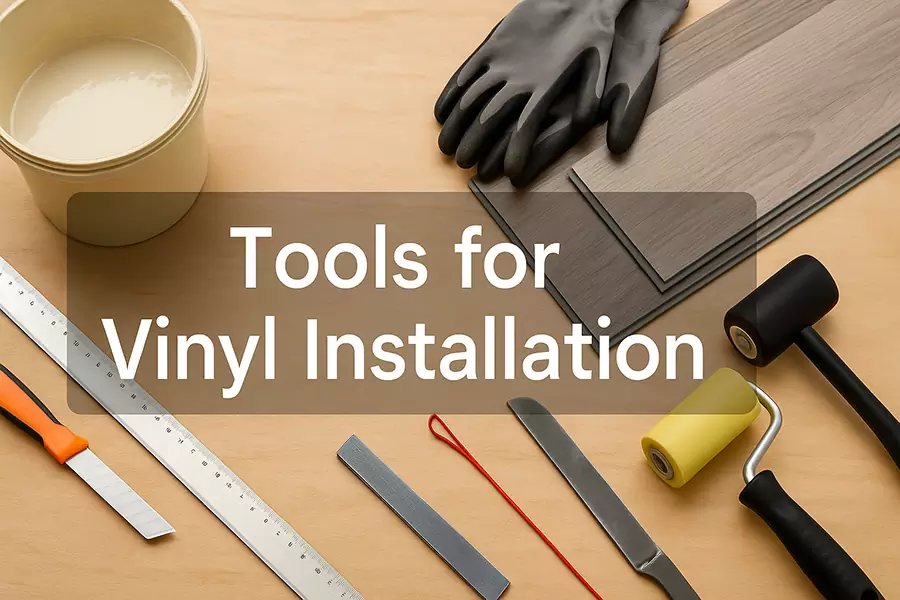
Before starting installation, gather these essentials:
- Vinyl planks or sheet flooring
- Sharp utility knife
- Measuring tape
- Pencil
- Chalk line
- Roller (for glue-down installations)
- Adhesive if required
- Vacuum or broom
- Optional underlay
- Floor leveler for uneven areas
- Spacers for expansion gaps (for floating planks)
How to Lay Vinyl Flooring
Installing vinyl flooring involves several key steps. Each one contributes to the final professional appearance:
-
Prepare the Subfloor
Clean the surface thoroughly and remove dirt, dust, or adhesive residue. Fill low spots and ensure the subfloor is level.
-
Plan the Layout
Vinyl planks look best when aligned with the direction of natural light. Measure the room and mark a straight line using a chalk line before placing the first row.
-
Install the Vinyl
Depending on the product type:
- Floating planks:
Click the joints together row by row. - Glue-down planks:
Spread adhesive, position planks, and roll the area. - Loose-lay vinyl:
Place planks firmly; edge pieces may require minimal adhesive.
-
Cut Edges and Corners
Vinyl is easy to shape. Score with a utility knife and snap cleanly. Use templates for tricky areas such as door trims.
-
Install Trims
Add transition strips, threshold trims, or skirting boards to complete the installation.

Bring Style & Durability to Your Floors
Discover modern flooring that perfectly matches your lifestyle
Our experts at Dex Flooring Nunawading are ready to help you choose your dream floor
How Vinyl Flooring Is Installed
Vinyl flooring installation varies greatly depending on the format:
Floating Vinyl Installation
- Fastest and cleanest
- Click-lock edges
- Perfect for DIY users
Glue-Down Installation
- Recommended for commercial areas or high-traffic rooms
- Provides stronger bonding and reduces movement
- Needs a roller to eliminate air pockets
Loose-Lay Vinyl
- Thicker and flexible
- No glue in most areas
- Good for apartments where noise reduction matters
Where to Start Vinyl Plank Flooring
Begin installation along the straightest wall or the main wall visible when entering the room. This ensures the finished floor looks balanced.
Avoid starting in the middle of the room unless the layout demands symmetrical plank distribution.
Can Vinyl Flooring Be Laid Over Tile?

Yes — vinyl flooring can be laid over tiles if:
- The tiles are solid
- No hollow-sounding tiles exist
- Grout lines are shallow
- The surface is properly cleaned
Deep grout lines should be filled with levelling compound to avoid visible ridges.
Can Vinyl Flooring Be Installed Over Existing Vinyl?
Yes — but only if the existing vinyl is:
- Fully adhered
- Flat and free of bubbles
- Structurally sound
Loose or damaged vinyl should be removed.
Can Vinyl Flooring Go on Concrete?
Concrete is an excellent base for vinyl flooring. Before installation:
- Repair cracks
- Test moisture levels
- Clean with a vacuum
- Level low areas
Glue-down vinyl performs extremely well on concrete slab homes common in Melbourne suburbs.
How to Do Vinyl Flooring on Stairs
Installing vinyl on stairs requires careful measurement. Steps include:
- Cutting each tread and riser individually
- Applying adhesive uniformly
- Wrapping the nosing or using stair trims
- Pressing firmly to avoid lifting
Because stairs need precision, many people choose professional installers for this section.
Can I Do Vinyl Flooring Myself?
Yes — vinyl flooring is one of the most DIY-friendly flooring surfaces. Floating planks are ideal for beginners. However:
- Glue-down vinyl
- Stair installations
- Large open-plan rooms
…may require professional skill for best results.
Who Lays Vinyl Flooring? / Who Installs Vinyl Plank Flooring?
Vinyl flooring can be installed by:
- Flooring installation crews
- Independent contractors
- Home renovation specialists
- Skilled DIY homeowners
Melbourne’s flooring industry includes many installers experienced with vinyl, especially around areas like Nunawading where many homes have concrete slabs or tiled older flooring.
Vinyl Flooring Installation Tips for Melbourne Homes
- Allow vinyl planks to acclimate before installation
- Avoid installing during peak summer heat
- Use spacers to maintain expansion gaps for floating planks
- Stagger joints for a natural timber look
- Avoid steam mops post-installation
- Trim pet nails to prevent scratches
- Use felt pads under furniture
Common Mistakes When Laying Vinyl Flooring
- Not cleaning the subfloor properly
- Missing bumps or dips
- Leaving gaps between planks
- Cutting inaccurately
- Applying adhesive unevenly
- Skipping acclimation time
Vinyl Plank vs Hybrid Flooring Installation
| Feature | Vinyl Plank Flooring | Hybrid Flooring |
| Water Resistance | Strong | Waterproof |
| Cutting Requirements | Easy (utility knife) | Moderate (saw/knife) |
| DIY Difficulty | Low | Medium |
| Installation Time | Fast | Moderate |
| Subfloor Flexibility | High | Low |
| Comfort | Soft | Firm |
FAQ — Vinyl Flooring Installation
-
How long does vinyl flooring installation typically take?
Most standard rooms can be completed within a few hours.
-
Can vinyl flooring be used in kitchens or dining areas?
Yes — it handles spills and cleaning very effectively.
-
Does vinyl need an underlay?
Some types have built-in backing; others may require a thin underlay.
-
Can vinyl flooring be installed on uneven surfaces?
No — uneven flooring must be levelled first.
-
Is vinyl flooring scratch-resistant?
Yes, but using felt pads can help minimise surface marks.
-
What’s the most beginner-friendly vinyl format?
Floating vinyl planks.
Ready to Transform Your Floors?
If you’re planning to install vinyl flooring in your Melbourne home, Dex Flooring offers a range of high-quality vinyl products in various styles, tones, and surface finishes. Vinyl flooring is one of the easiest ways to refresh your space with a modern, durable look that matches many home designs across Melbourne.